
AI Headshots – Are they worth it?
They look like a shortcut. They’re not.
At first glance, AI headshots seem like a smart workaround — fast, cheap, no awkward posing required. Upload a dozen selfies, wait a few minutes, download a zip file. Done.
Except it’s not done. It’s just a different kind of problem.
How it actually works
For this post, I tested Instaheadshots — one of the more reviewed options out there. The process is pretty standard across the industry: upload 6–12 photos of yourself, and the AI pulls from a massive pool of sourced imagery to generate backgrounds, clothing, hairstyles, and yes — your face.
I received 49 images. Of those, maybe 4 looked passable at a glance. The moment I looked closer, every single one had tells.
Spot the glitches
I come from an art education background, so I’m wired to notice this stuff — but once you know what to look for, you can’t unsee it.
Here’s what I found repeated across nearly every image in my gallery:
- My hair is dark blonde. Half these photos gave me reddish hair.
- The irises in the eyes are mismatched shapes — often in the same photo.
- Catchlights (the reflections in the eyes) are coming from different light sources within the same image.
- Those are not my teeth. Specifically, the two front teeth are different sizes.
- The clothes are not mine — not my style, not my wardrobe, not me.
- The shoulder-to-head proportions are off in most of them. (Da Vinci figured this a few centuries ago: your shoulder width equals roughly two head-lengths. AI still hasn’t caught up.)
Scroll through the gallery below — the captions flag what’s wrong in each one. Some are genuinely bad. Feel free to laugh. I did.
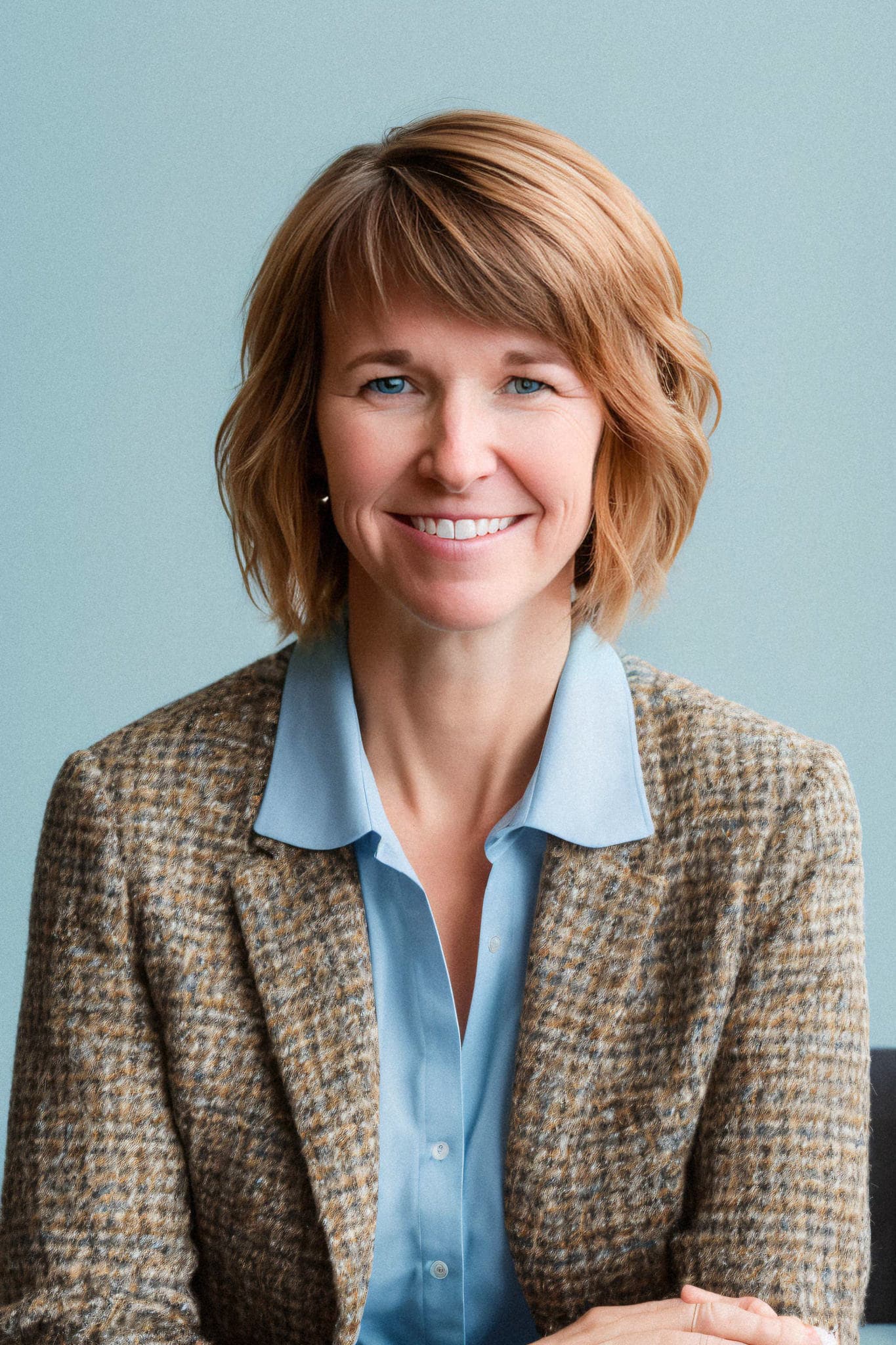 My hands at the very bottom are strange sizes. There’s also a weird line through a finger.
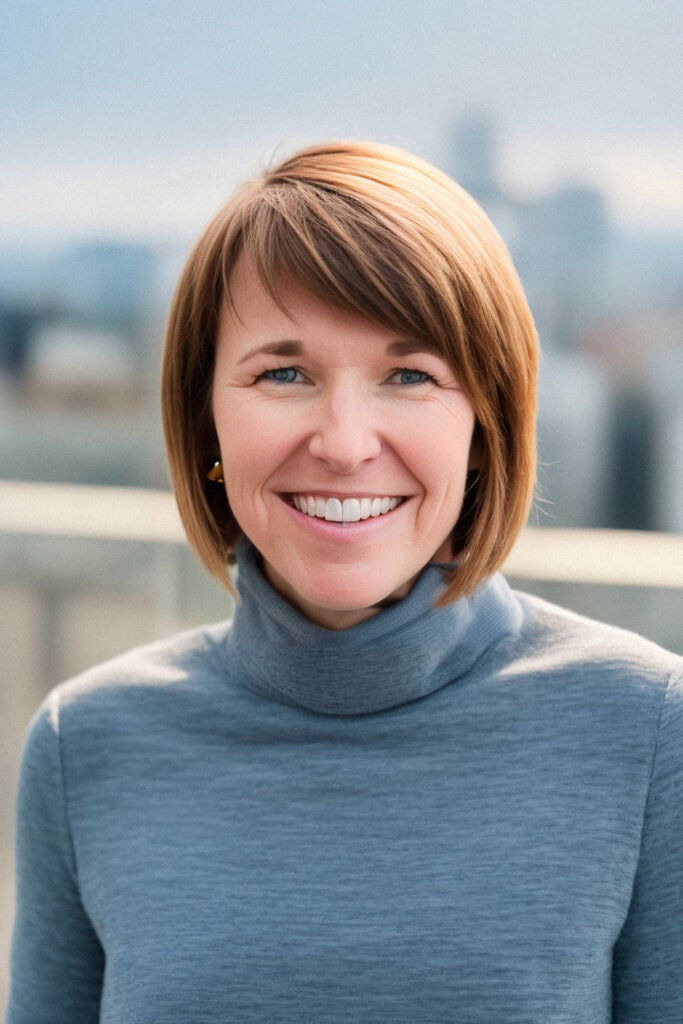 The body proportions are totally off. My head looks enormous! Also, I’ve only got one earring on.
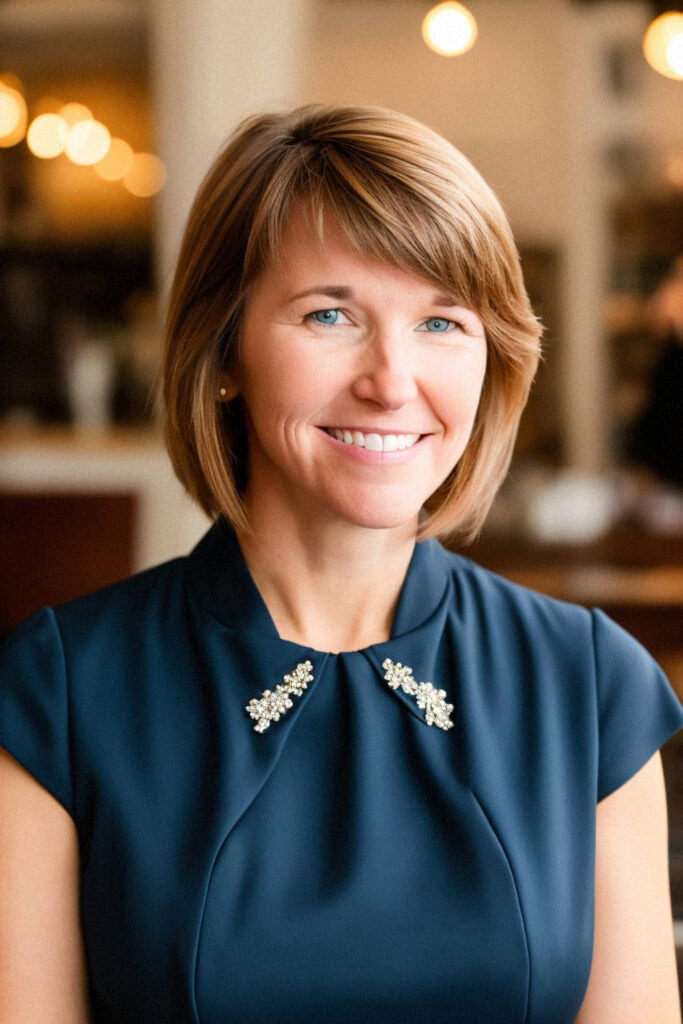 This one could be passible. Although I rarely dress that elegantly. They eyes and teeth are off when you look closely.
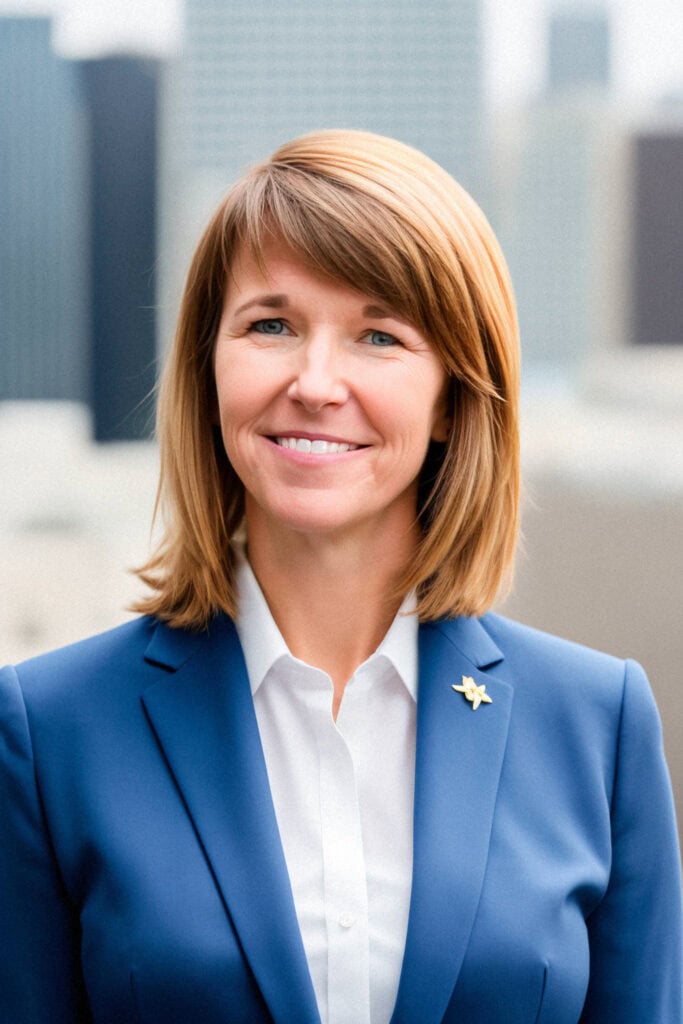 I haven’t worn a suit in over 15 years. And that smile looks like I’ve got a piece of gum between my teeth and cheek.
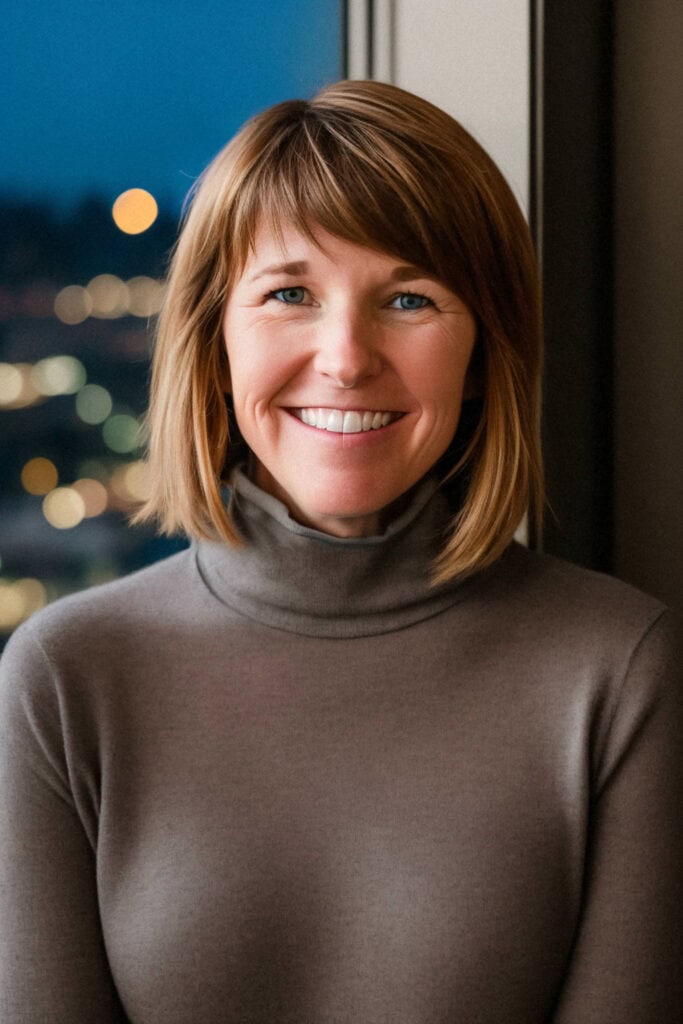 My head is too big for my body and the teeth are even bigger. And my boobs sure don’t look like that. (Although I wouldn’t be upset if I wish they did.)
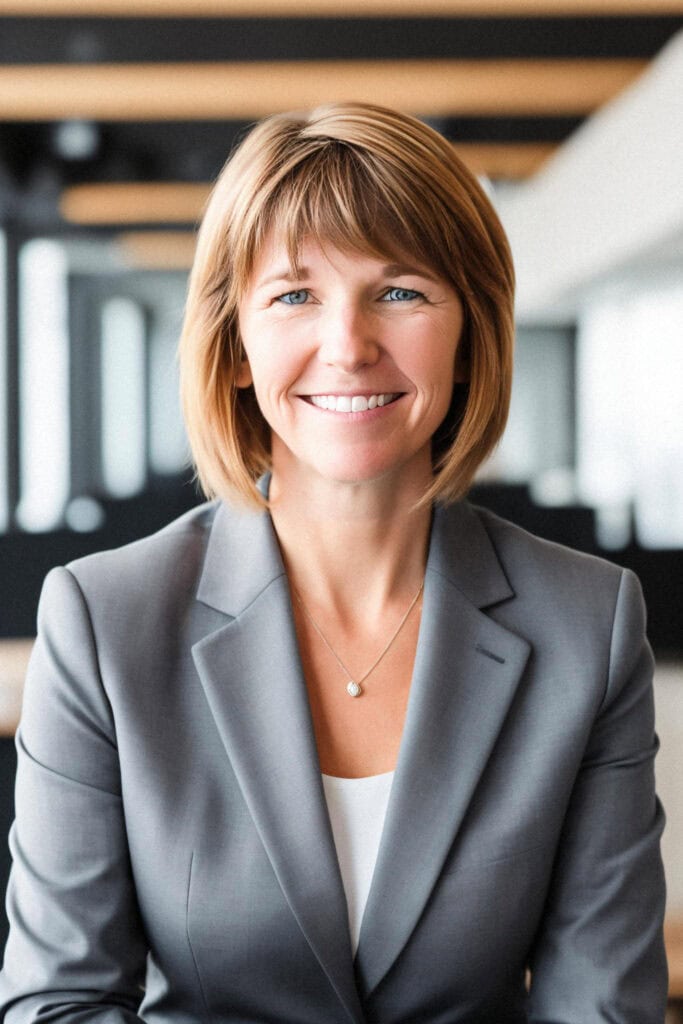 Those eyes?!?!
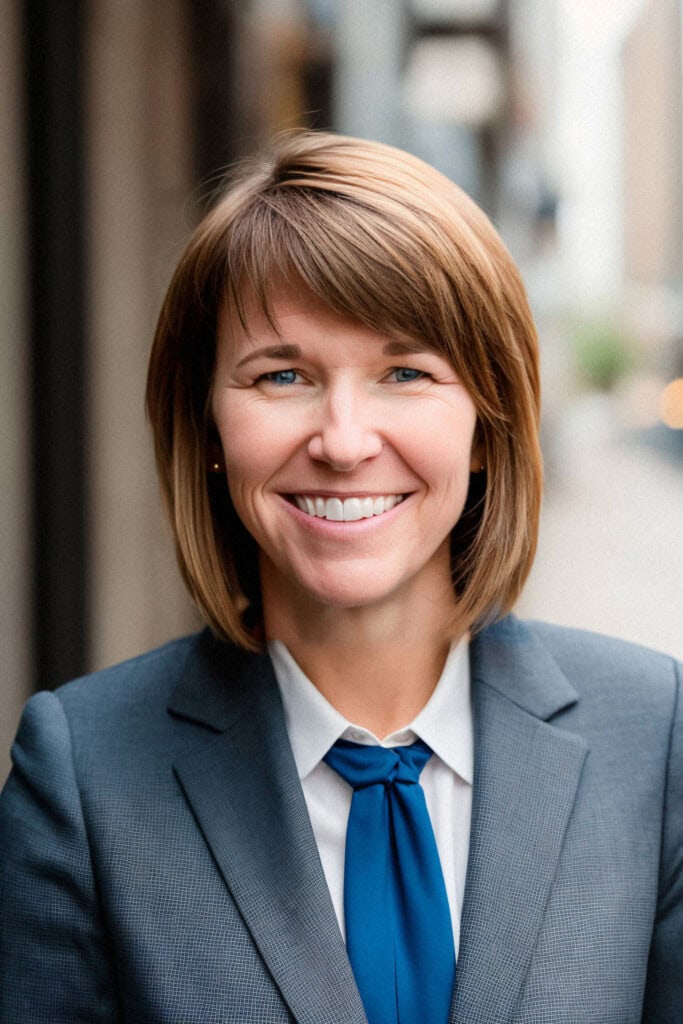 It’s a double knotted tie for a non-tie wearer! And again, my head is too big for that body.
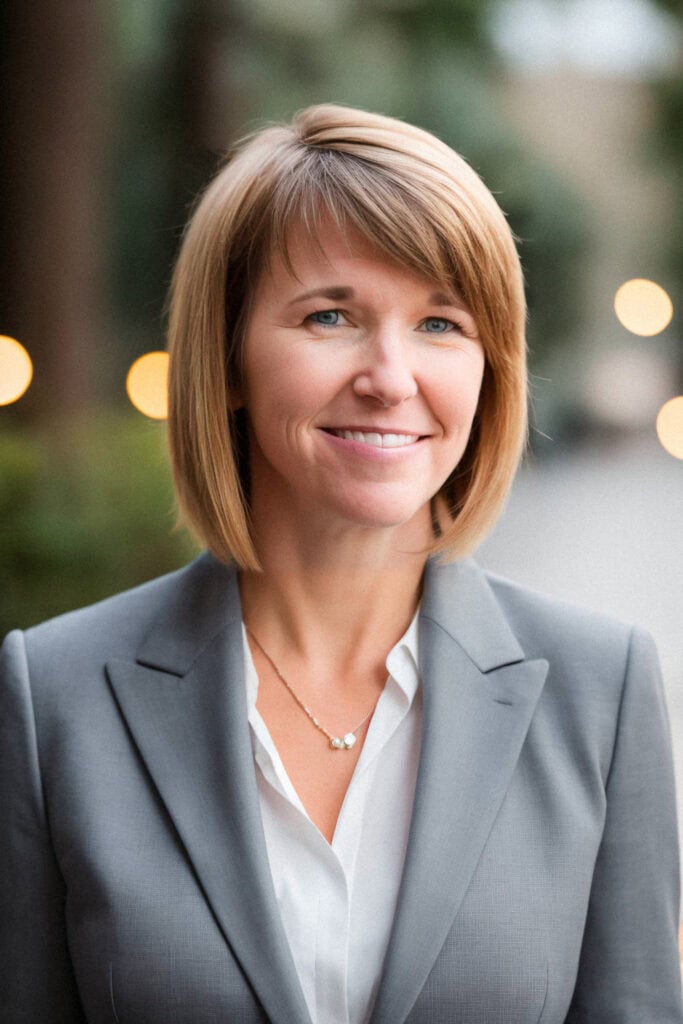 This might be the most passible portrait of the bunch. Except I don’t wear suits.
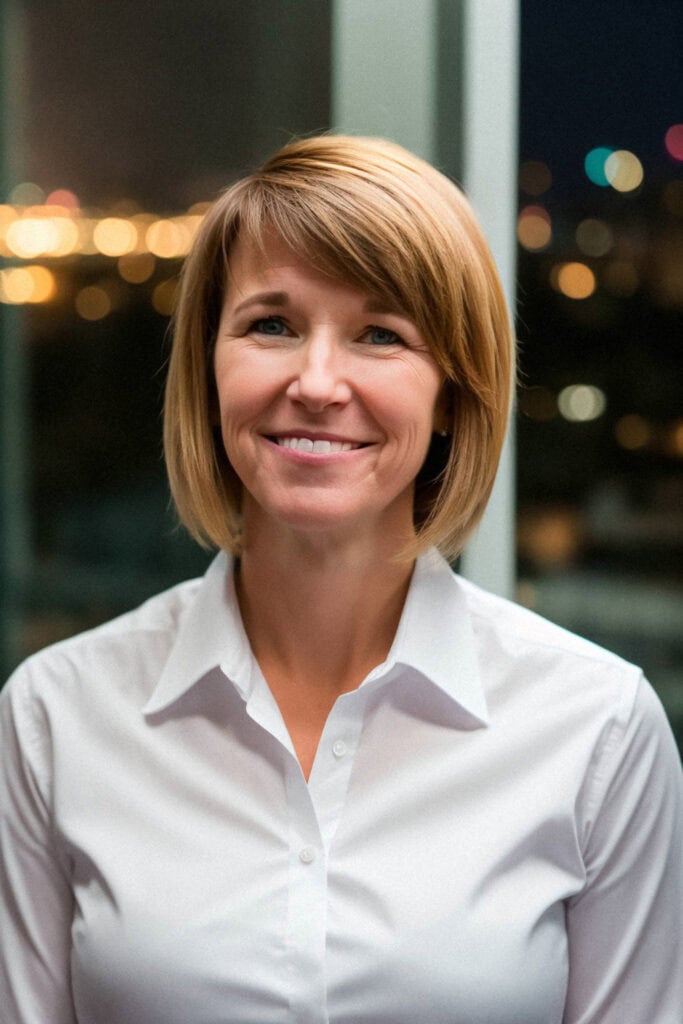 These breasts are much larger than mine. That’s also a strange smile. I can’t quite pinpoint it
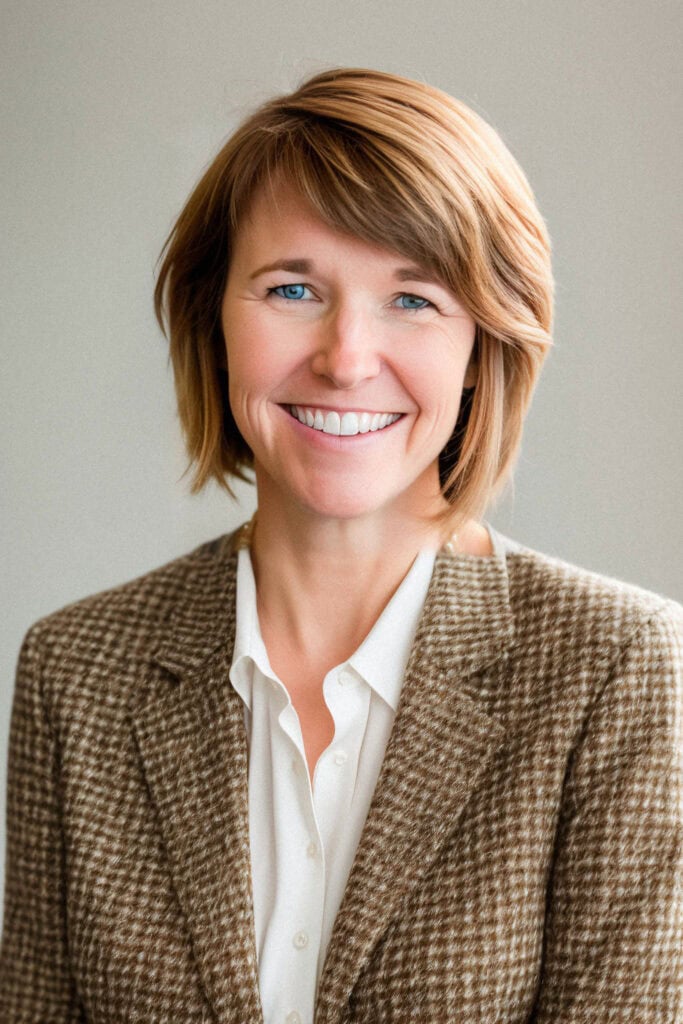 What happened to the clothes right at my neck?
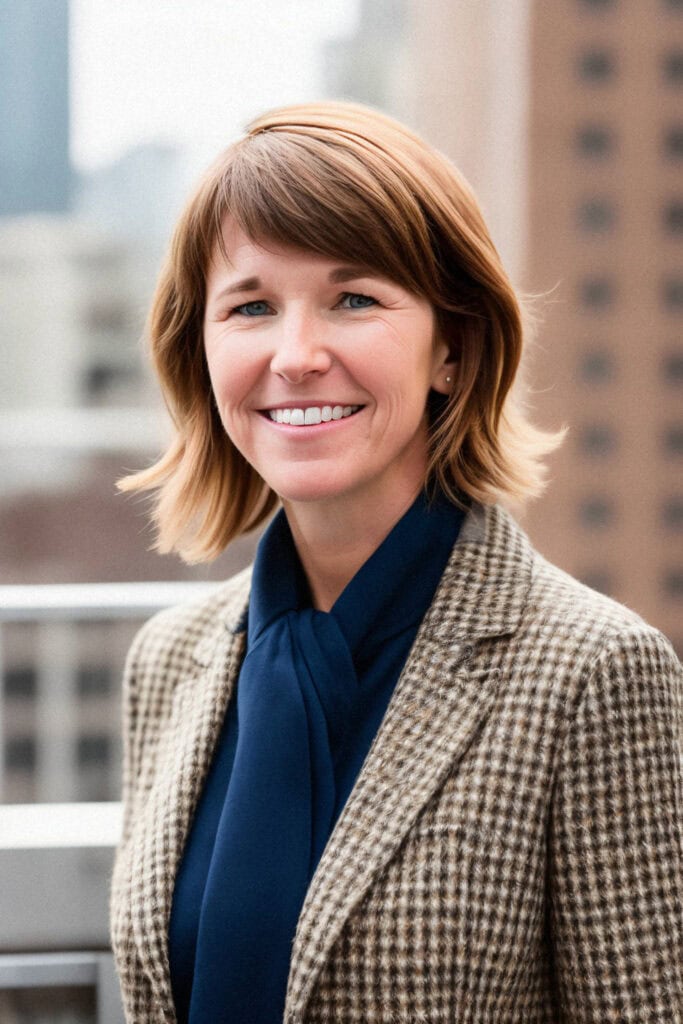 Cute hair, but those teeth, the eyes, and the clothes…
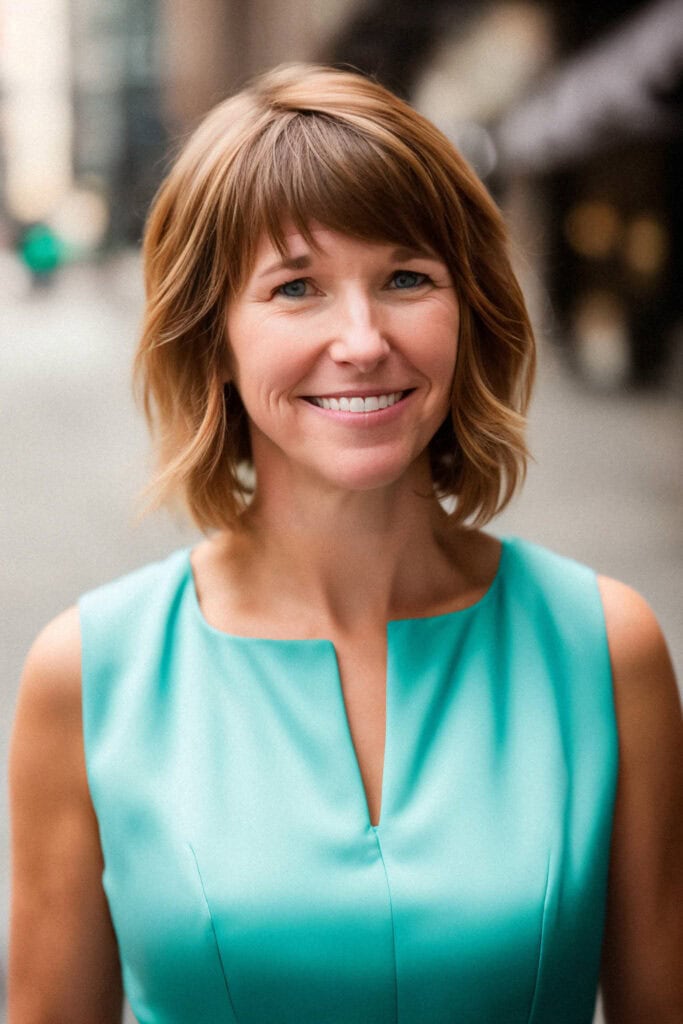 Pretty top…again much more elegant than I go. And the face proportions are off. I wish I could make my hair stay curly like that!
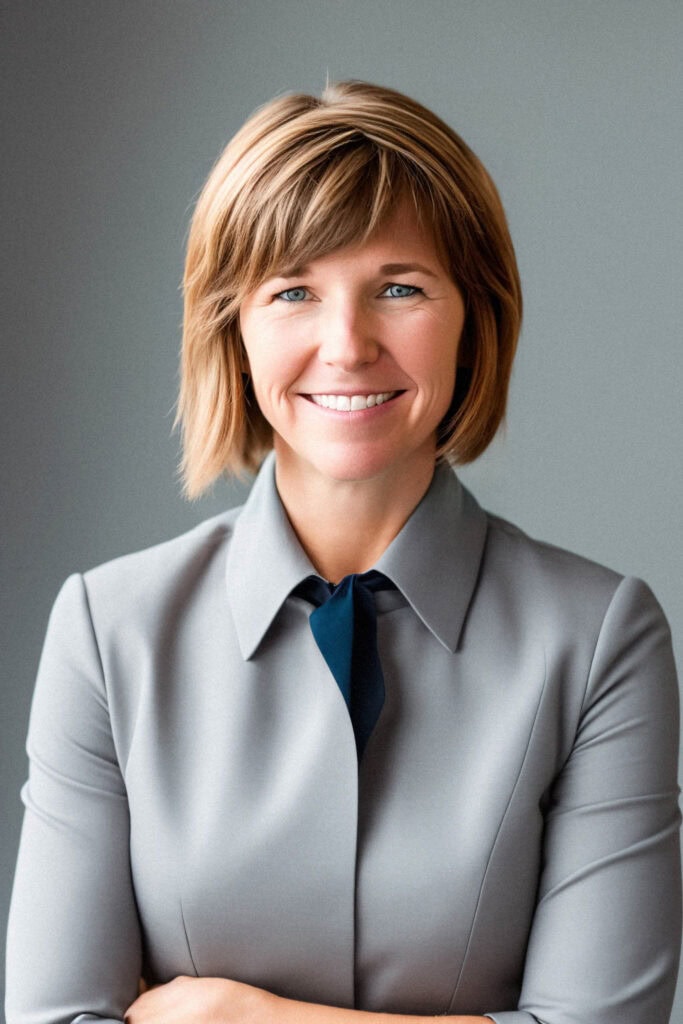 The hair has one chunk that goes straight across…almost like it was a very long piece and is now being worn as a headband.
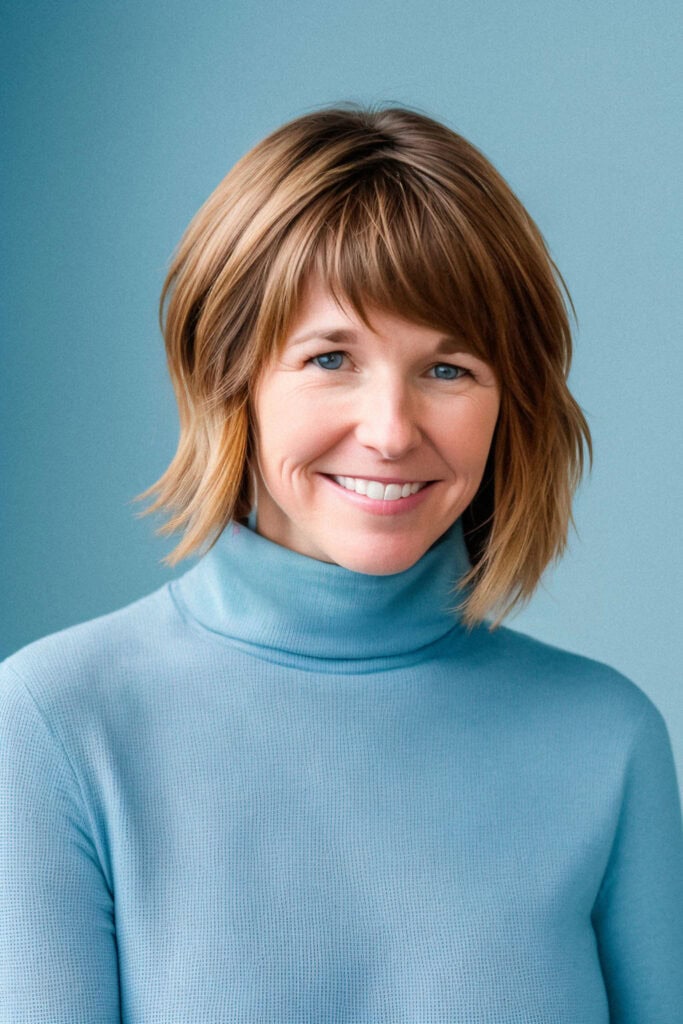 The face proportions are off. They all seem slightly skewed to the right of the photo.
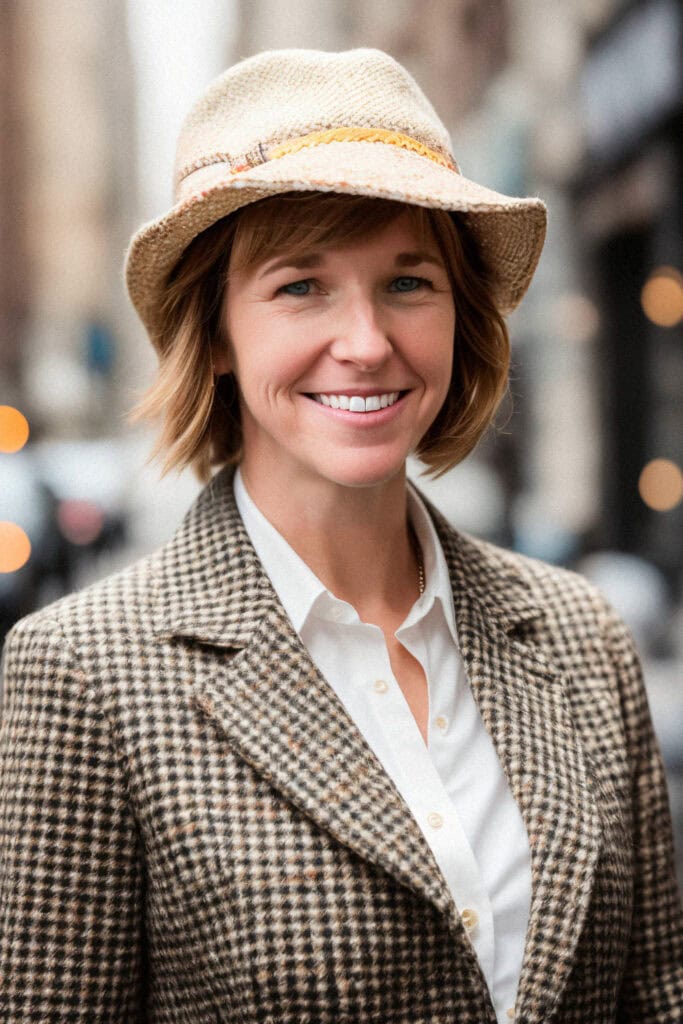 Anyone who knows me knows that my hats come in snow styles only.
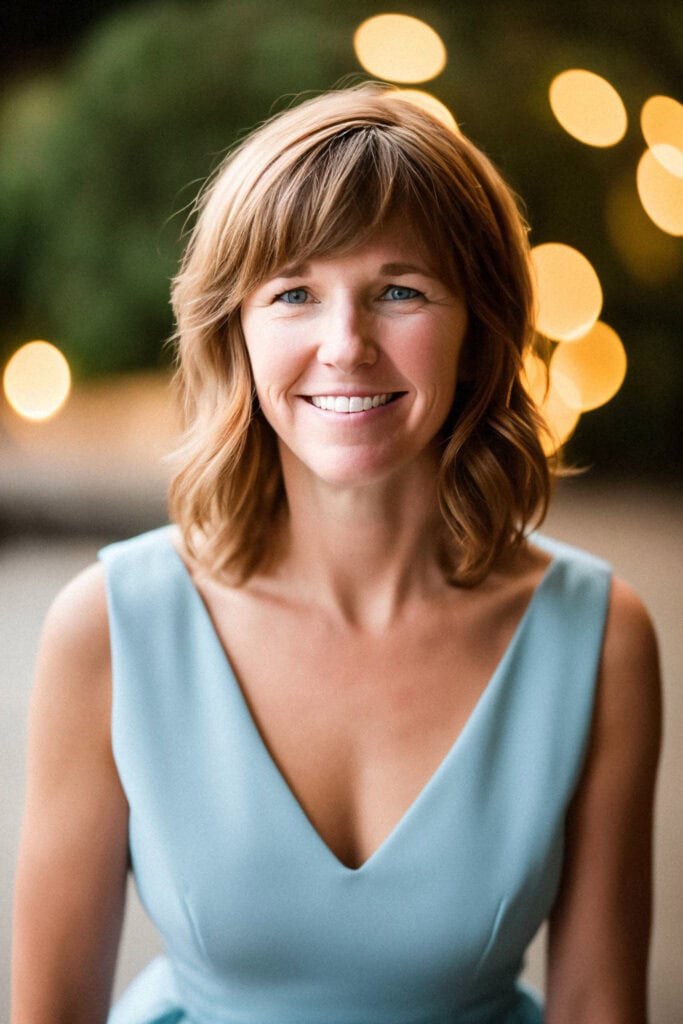 The body does not match proportionally with my head. I also only wish my hair looked that full and wavy.
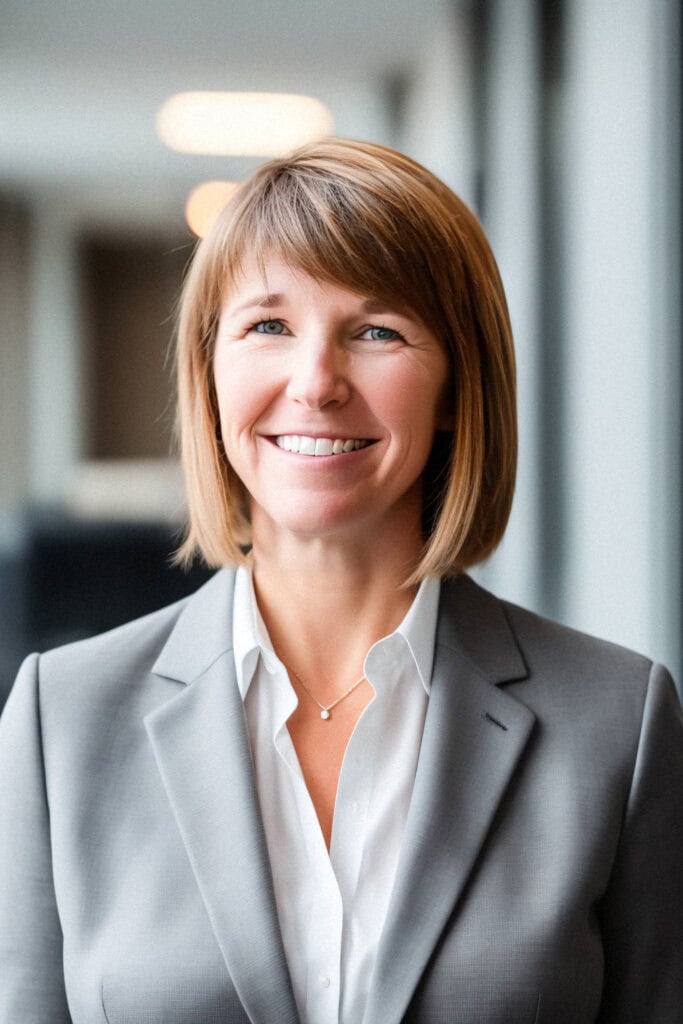 Not too bad except the eyes, the teeth, and the clothes.
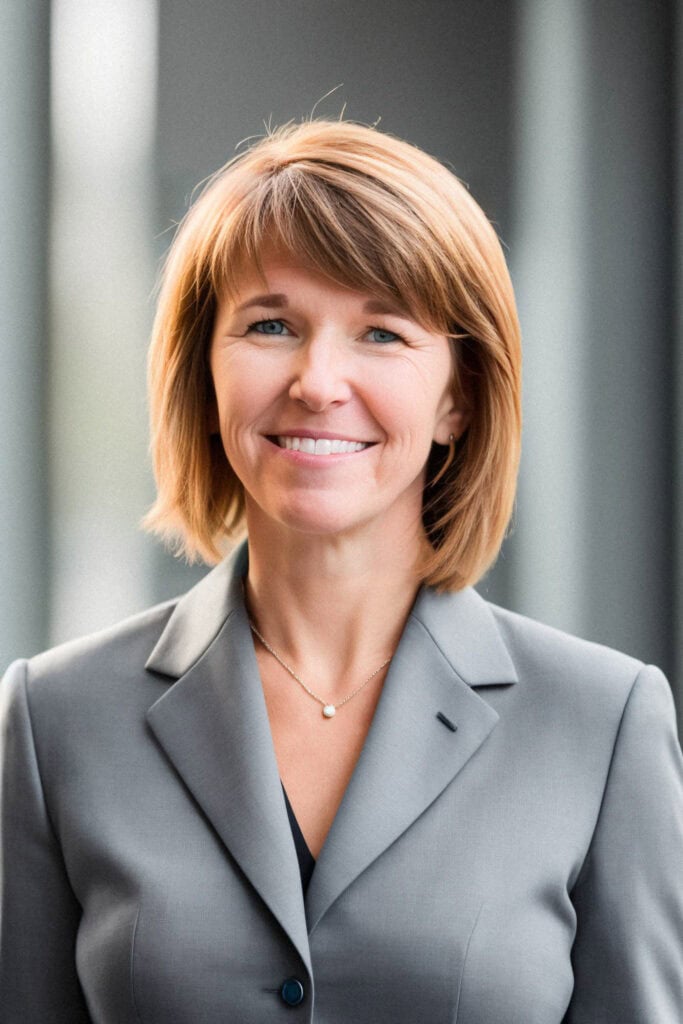 There’s a lock of hair coming straight out of my earring.
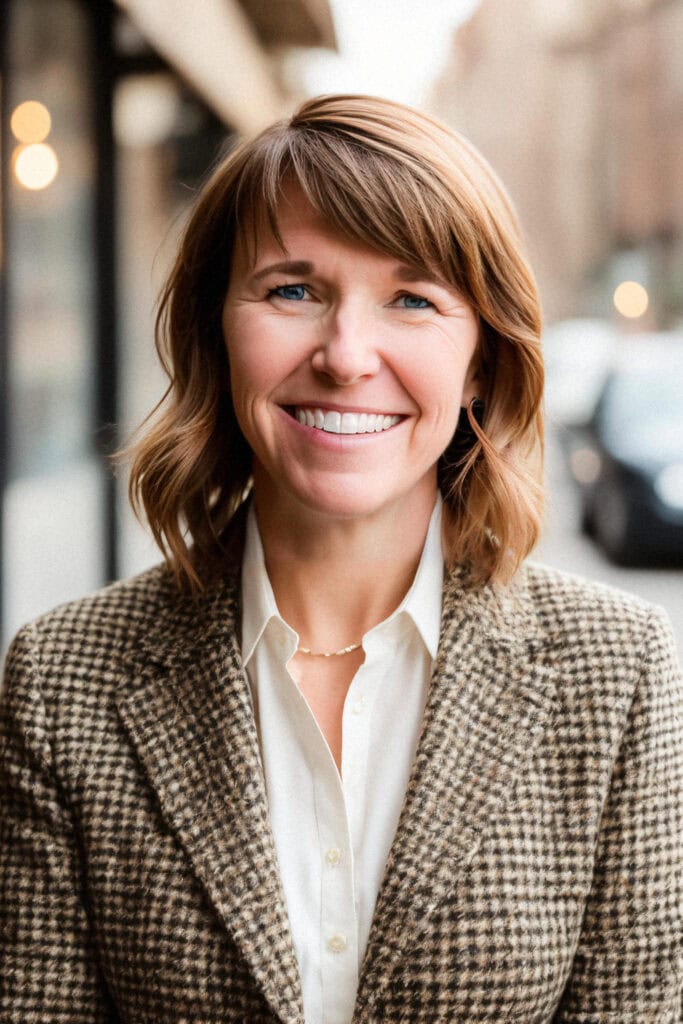 What’s up with my left eye? And those teeth are a lot bigger than mine. And why do so many of these have that same blazer?
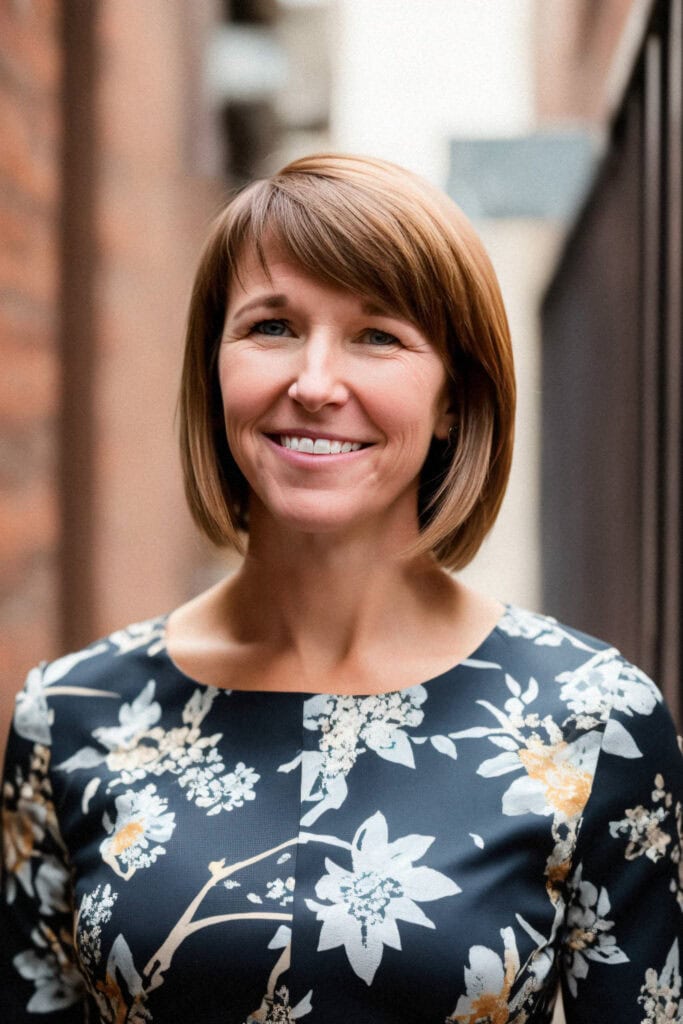 Why does the seam in the front of the shirt run such a straight vertical? And my head is a bit small for that body.Th
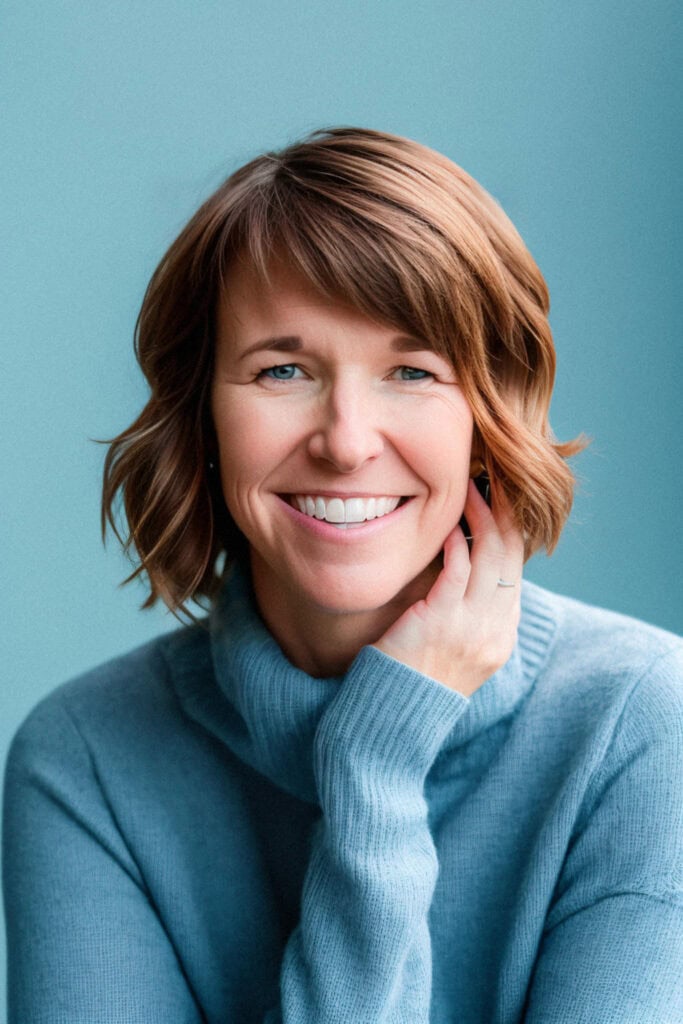 That forearm is a bit straight up compared to the angles of the upper arm. Those angles are not possible in real life.
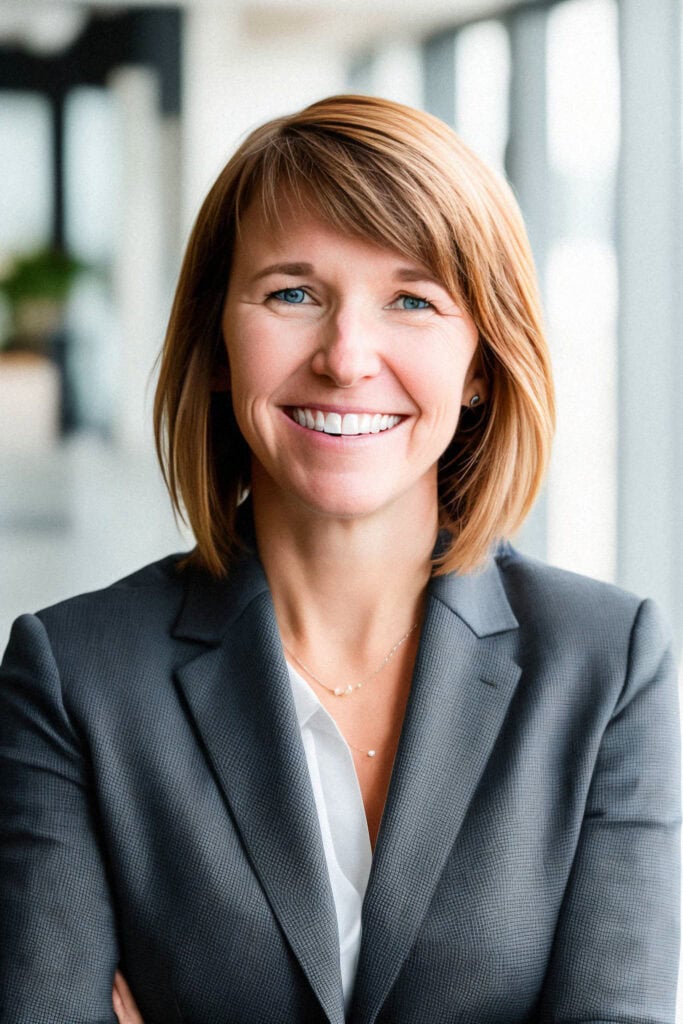 My right ear is gone. And what is up with that left eye in particular?
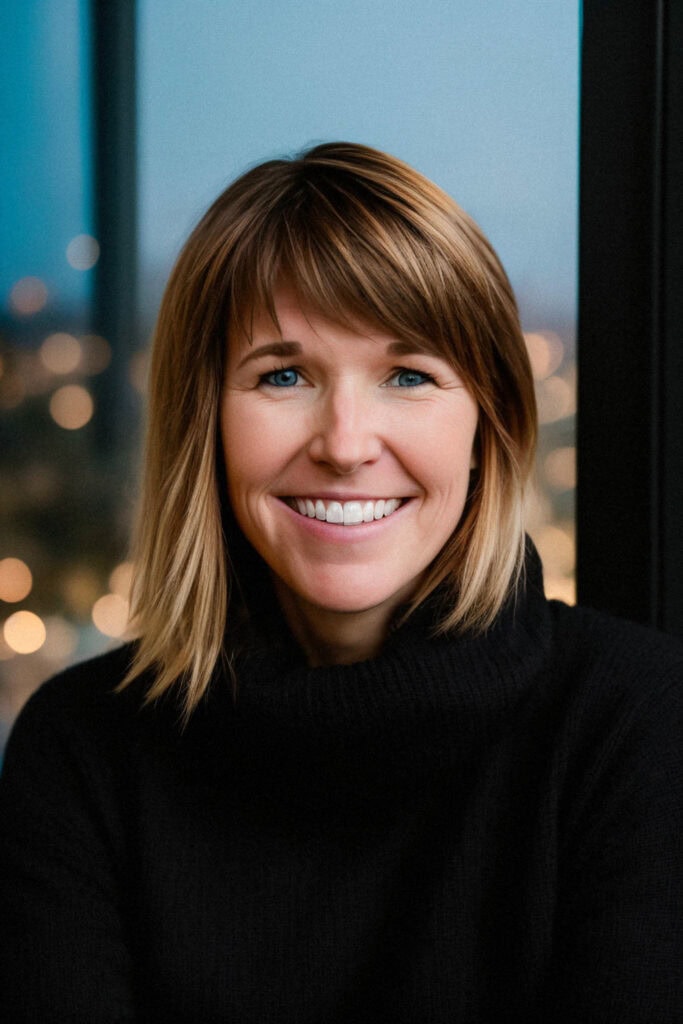 One of the better photos…except the eyes and the teeth.
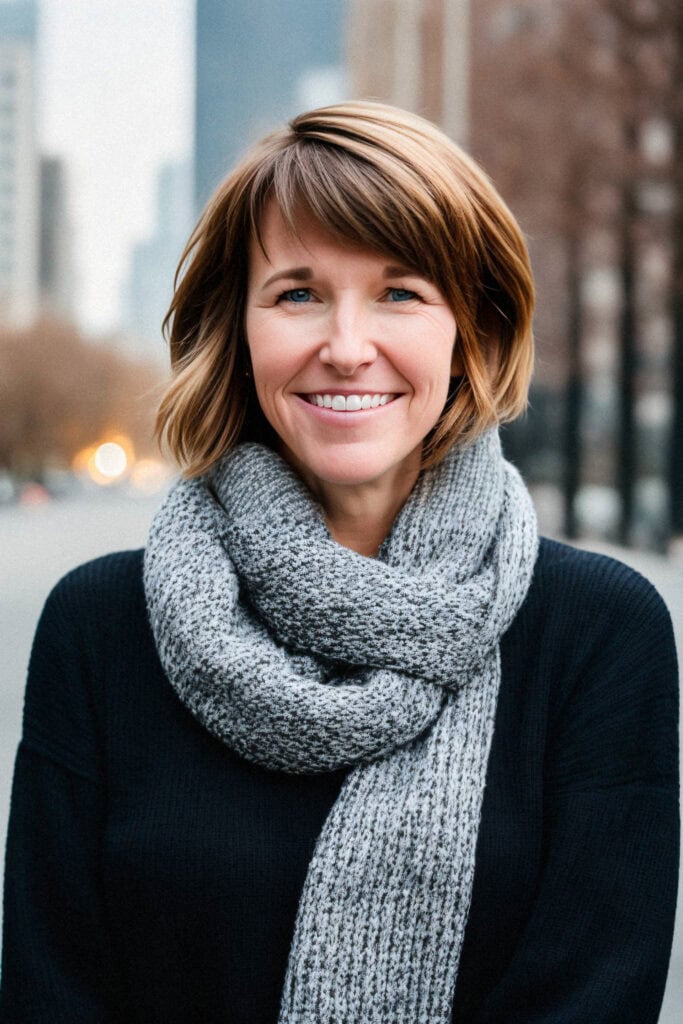 My head is small and the neck is very long compared to the shoulders.
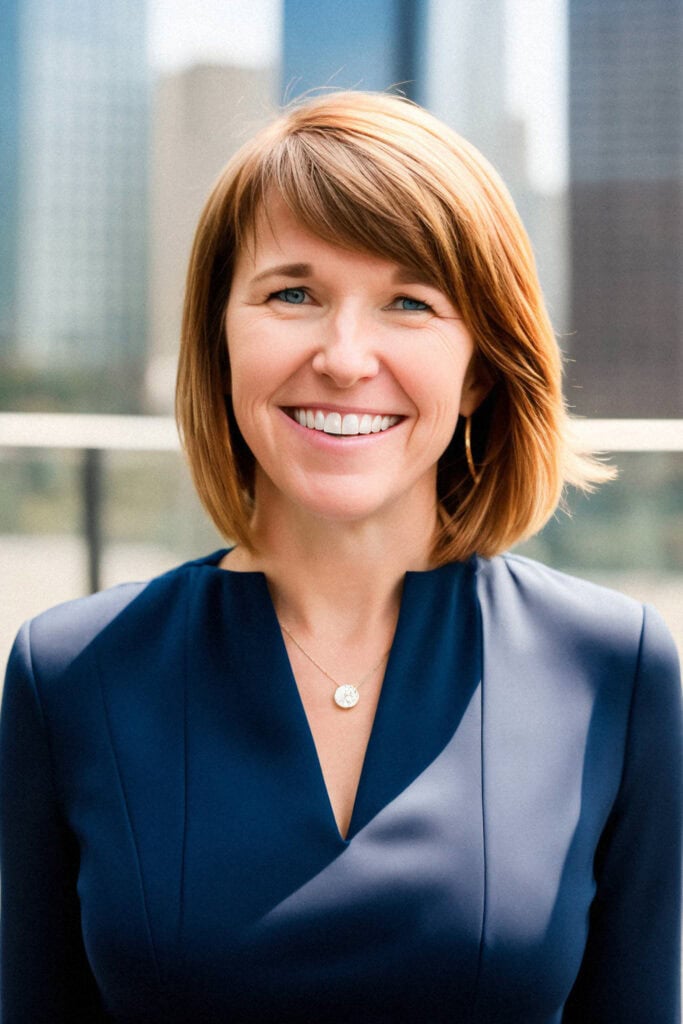 Not too bad, except those eyes and teeth and the ultra red hair.Th
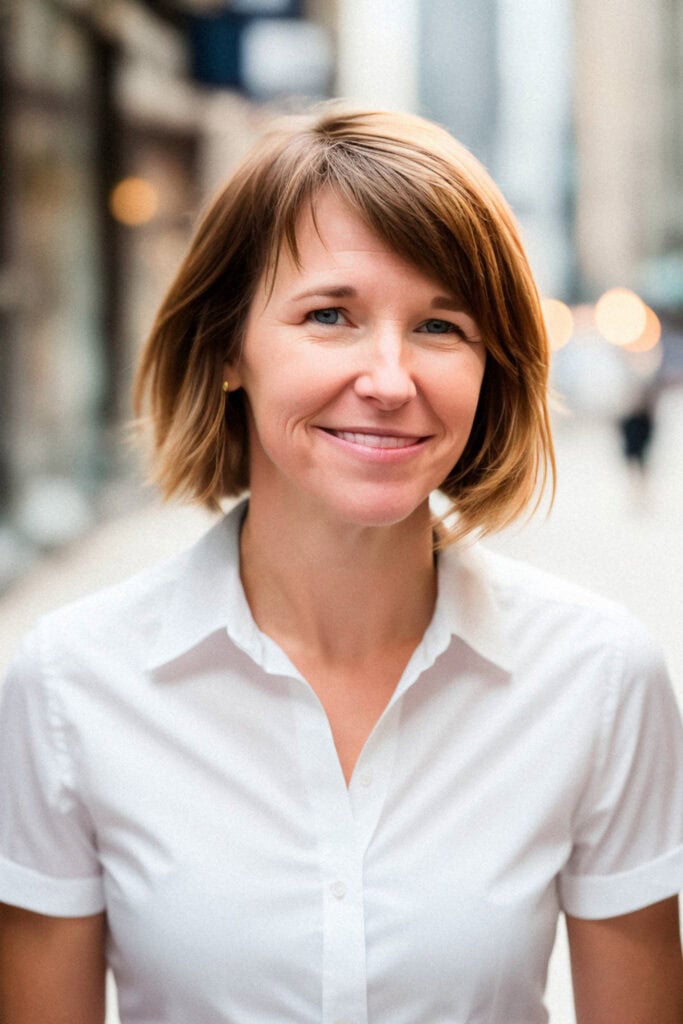 That smile?
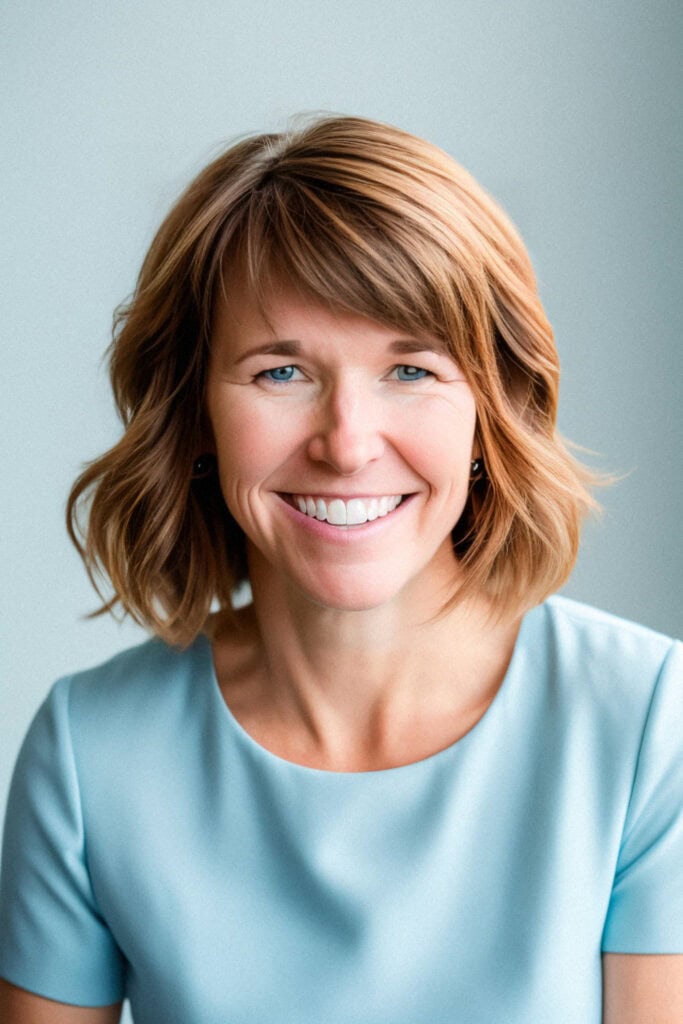 What’s up with that left eye?
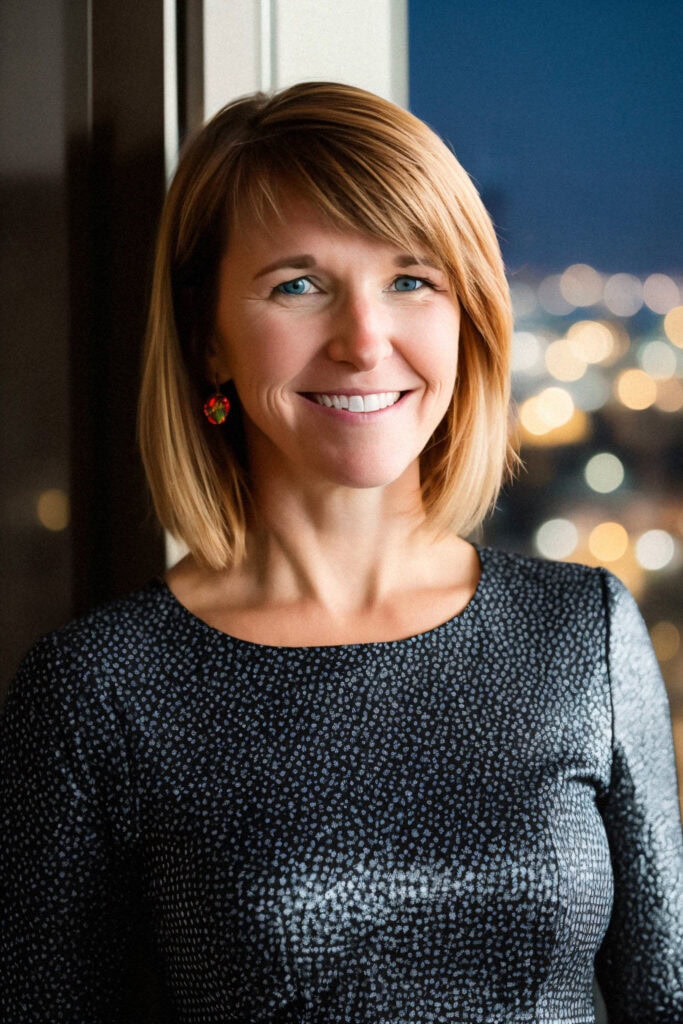 I only wish my boobs looked like that. And what’s up with the eyes? (Always the eyes…)
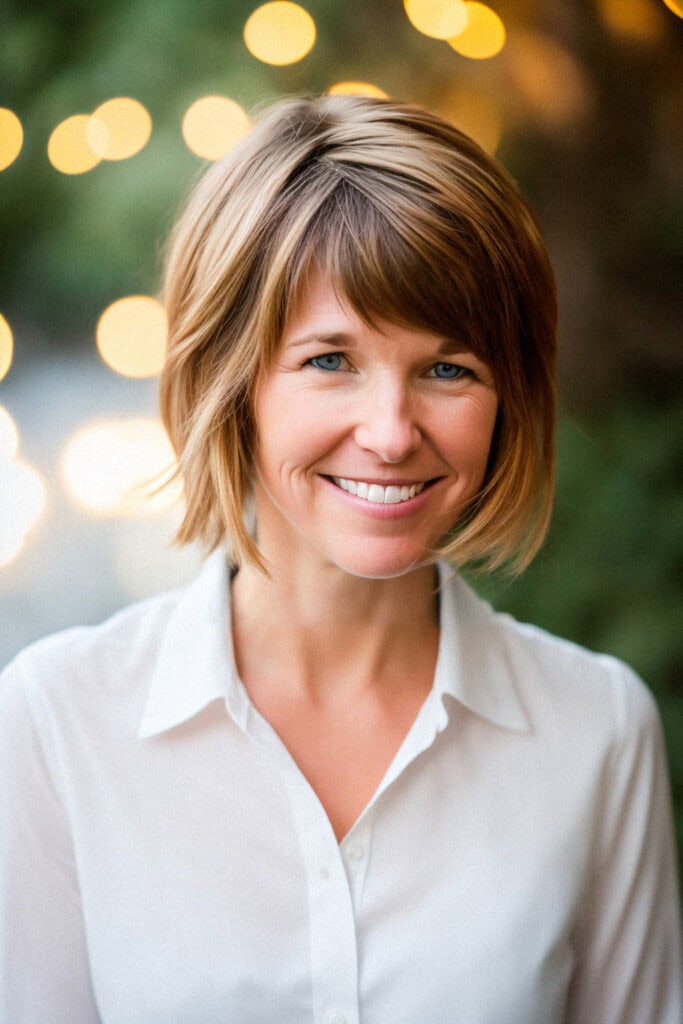 My hair doesn’t go that big, even when I try.
 Not too bad…except the eyes, the teeth and the suit (which also partially disappears at my neck.)
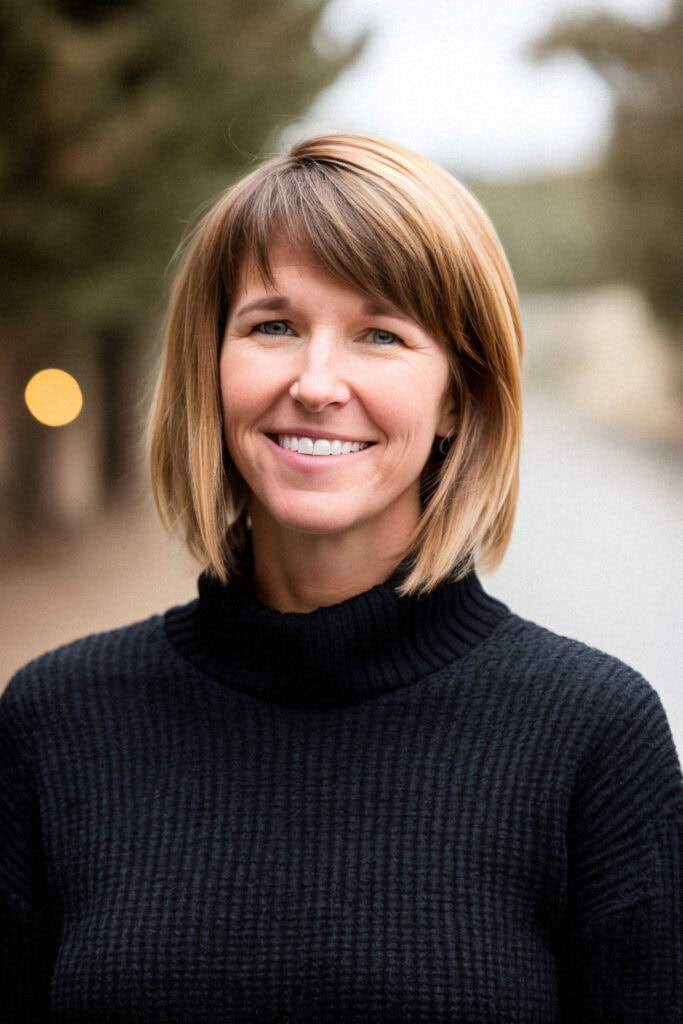 That hair looks like it came from a person facing the camera head on. My face is a 3/4 view.
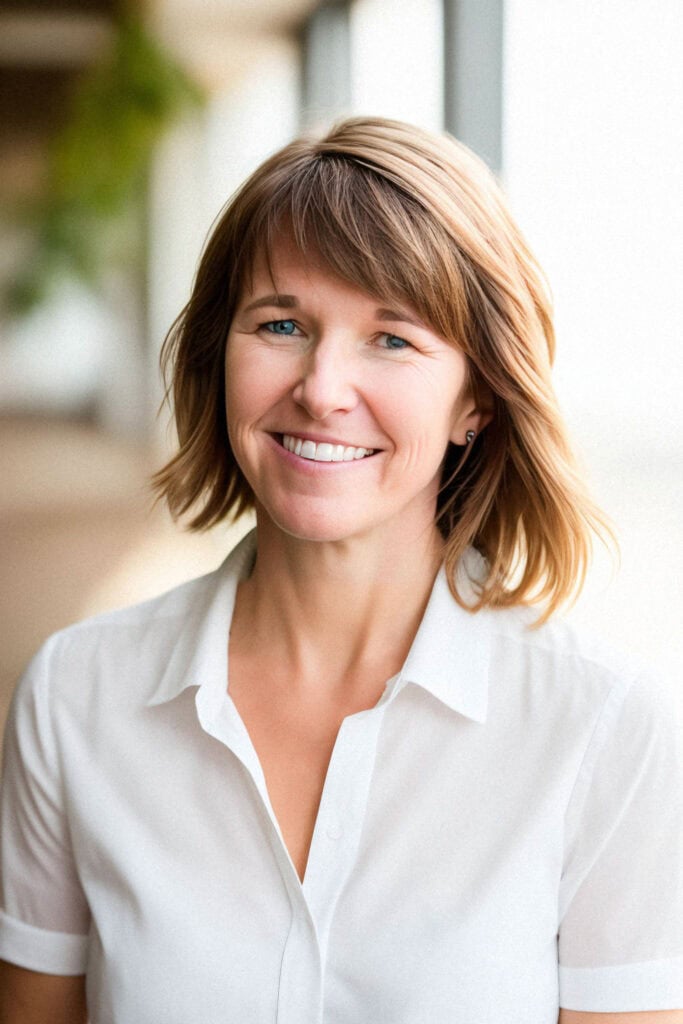 Not too bad except the eyes and the teeth.
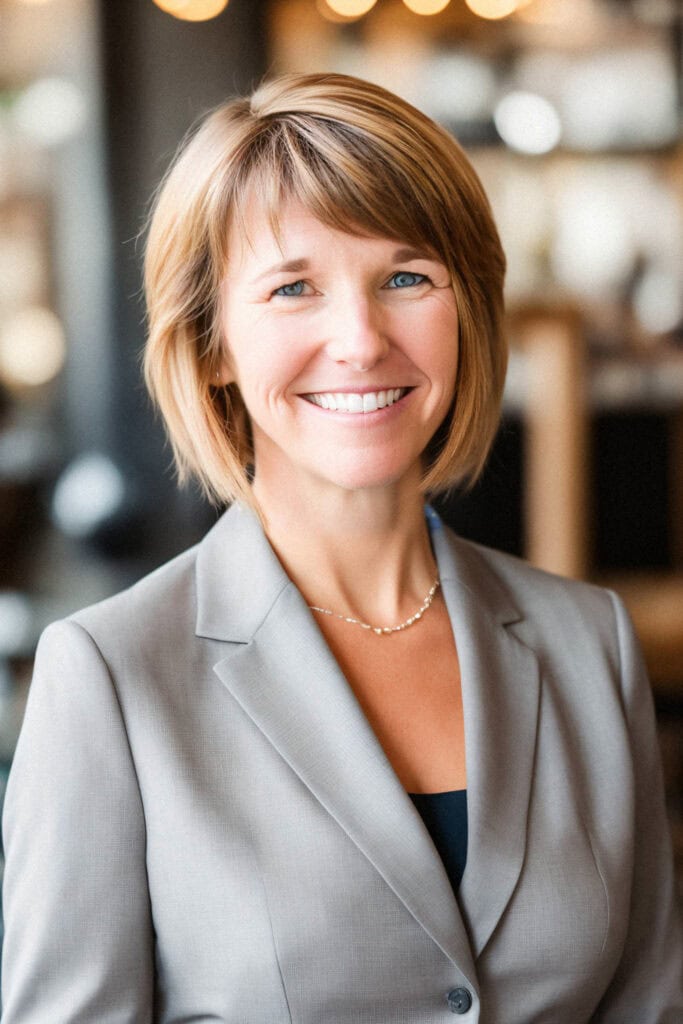 That is an extra large wrinkle on the edge of my left eye.
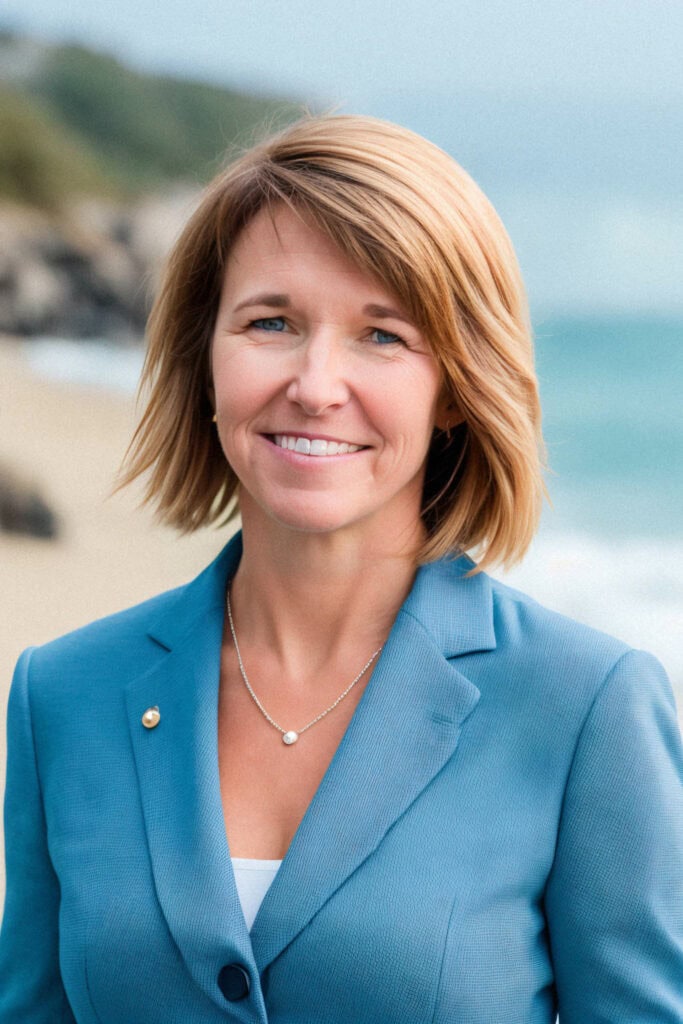 A suit on a beach that’s not flat like Chicago?
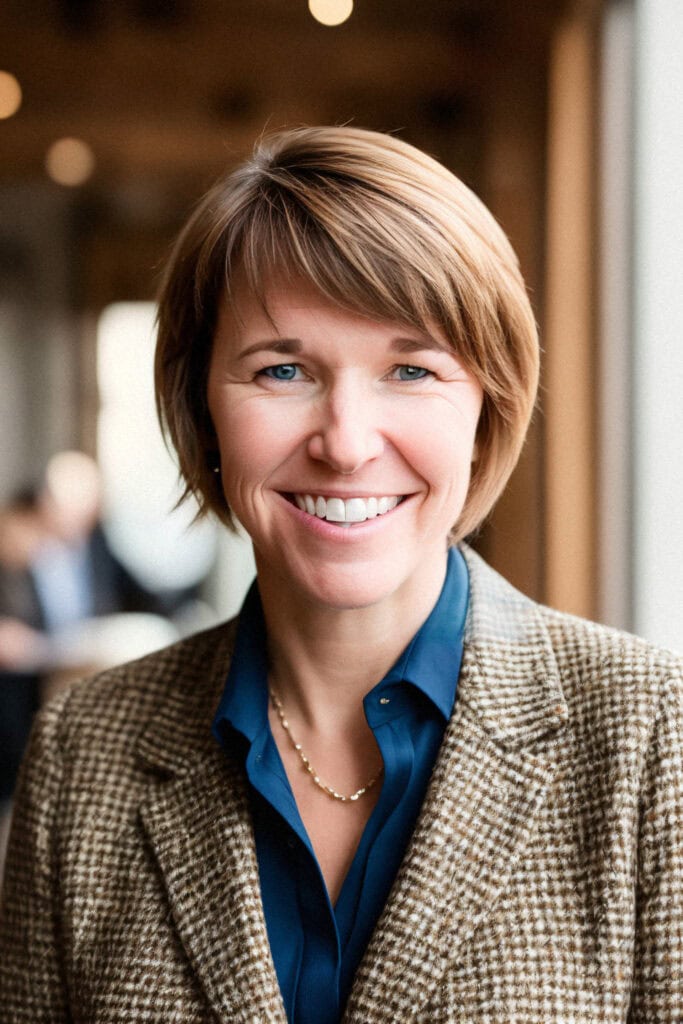 That is a very big head on a little body.
 There’s something weird happening in the texture of the suit. And those face proportions are very off.
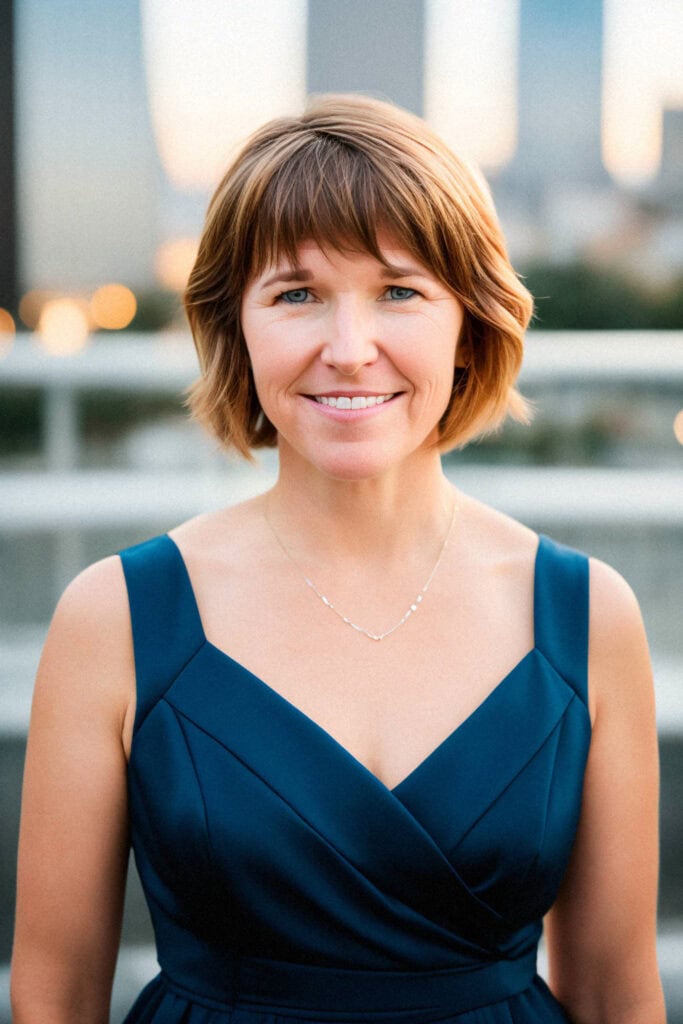 That is a little head on a much bigger body.
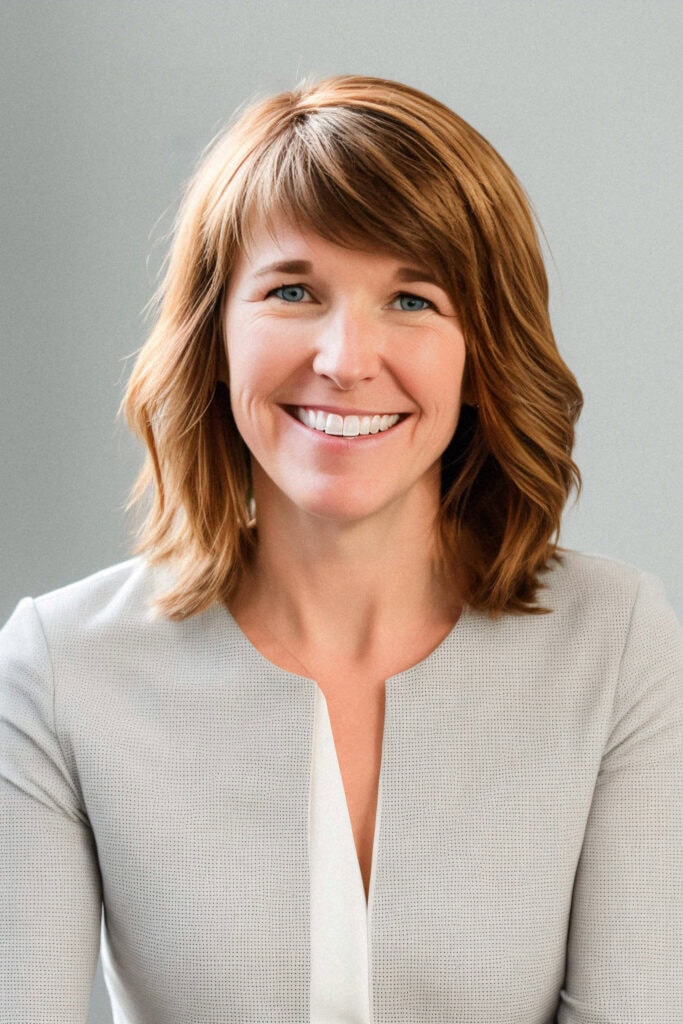 I don’t quite understand the front of that suit. This one isn’t that bad, except the neck is longer than mine and those aren’t my teeth.
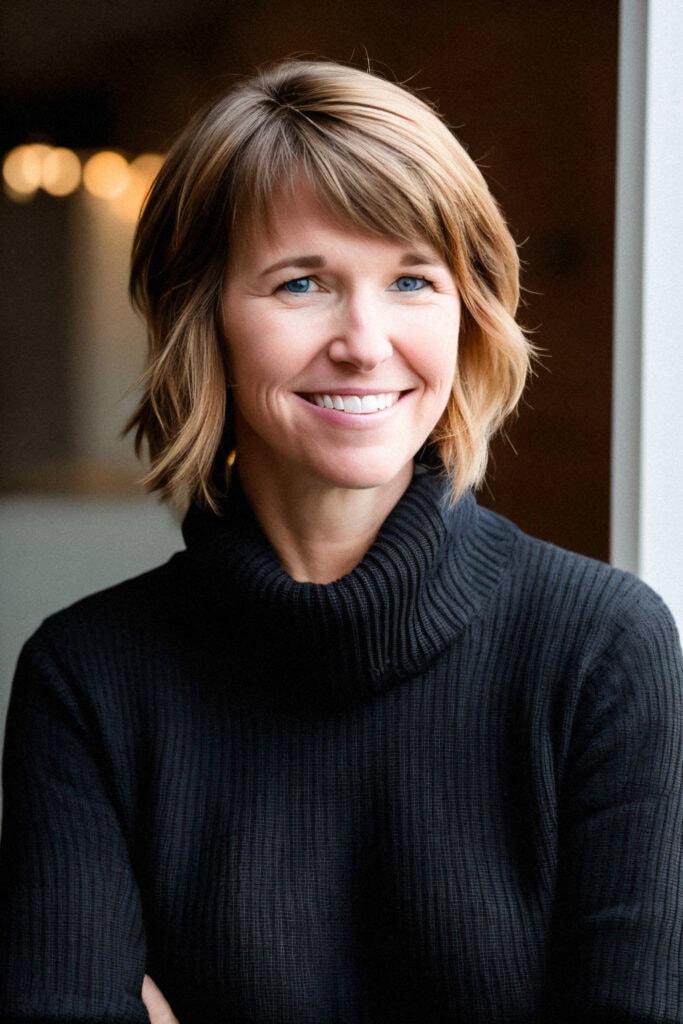 There are some strange patterns in the ribbing on the sweater. And the parts of my face seem to be pointing forward while the face itself is looking just to the right
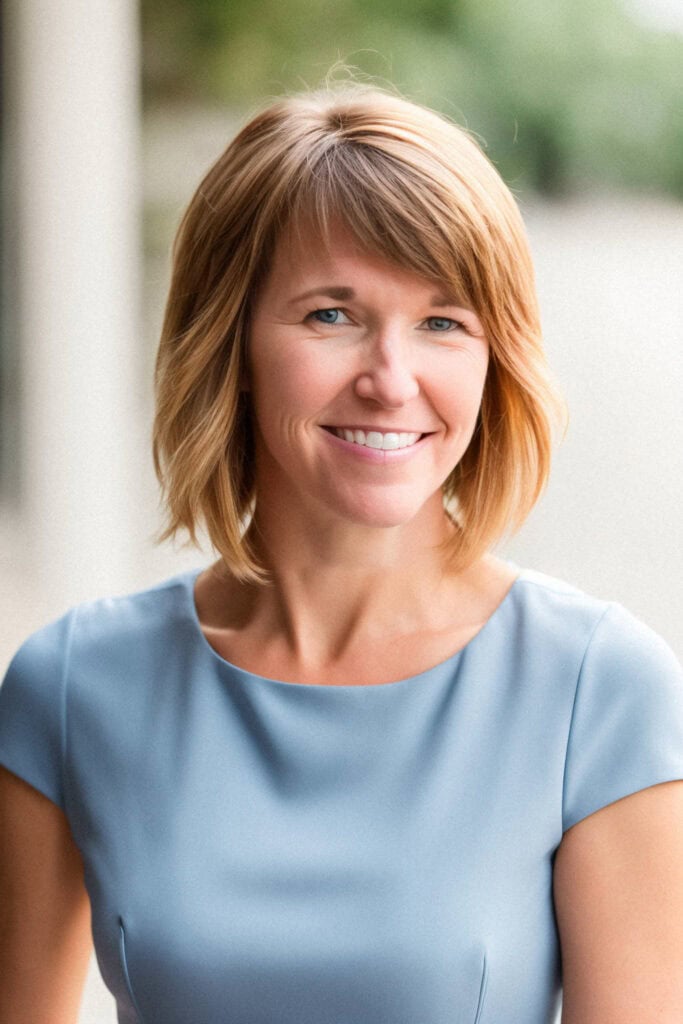 The eyes and the teeth. Not to mention the darks on the dress stop at uneven levels.
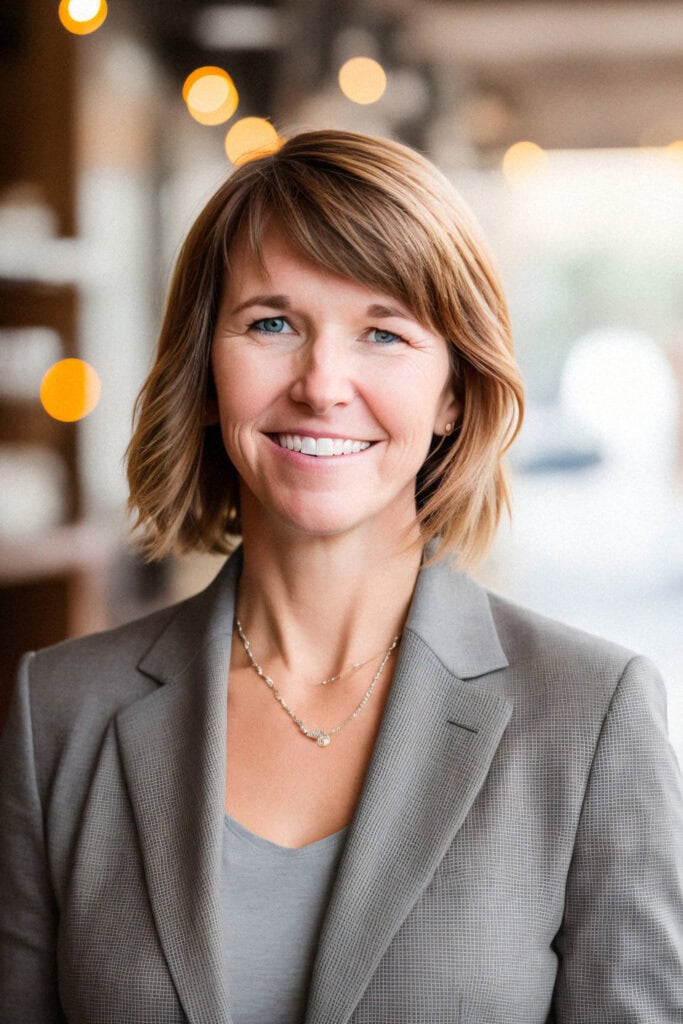 One of those necklaces is half a necklace.
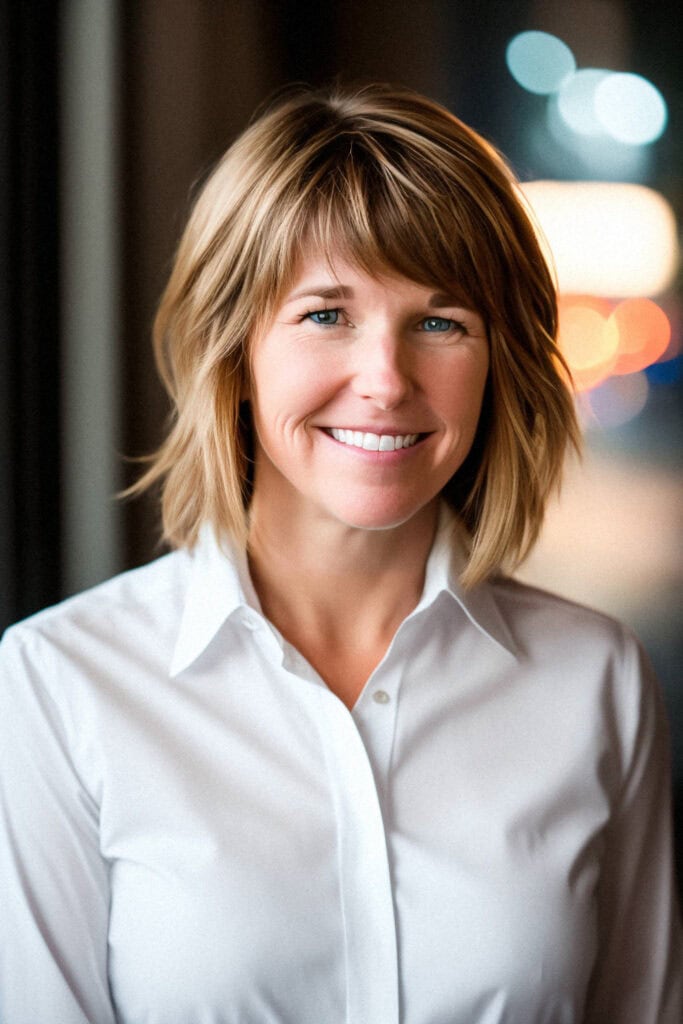 My left eye is a double iris.
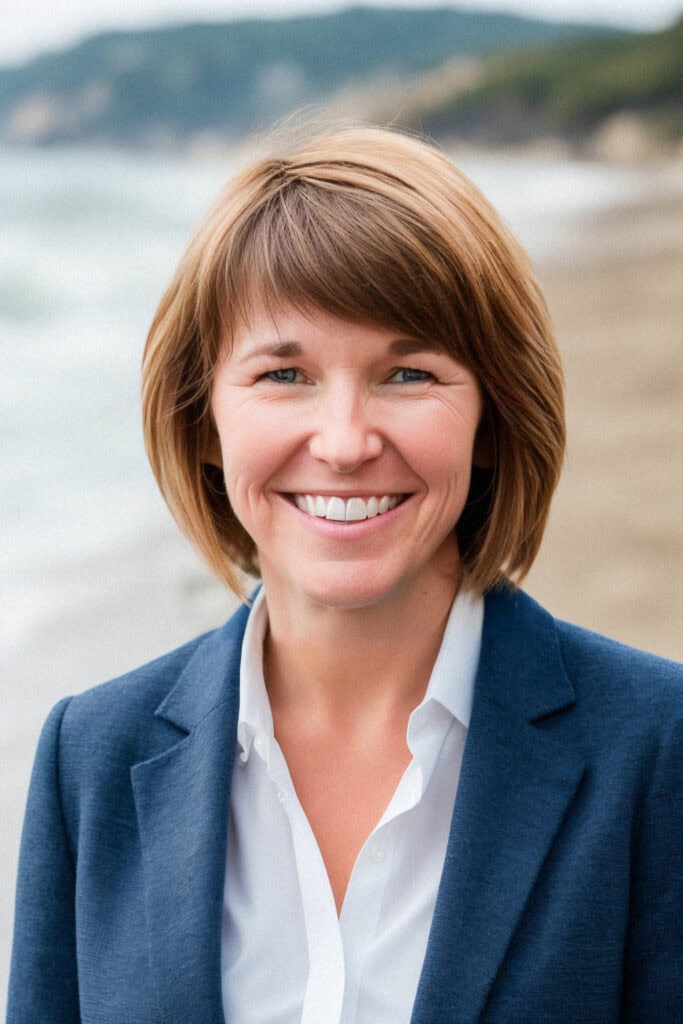 A bit of a mismatch in beach to business attire. And those eyes and teeth…
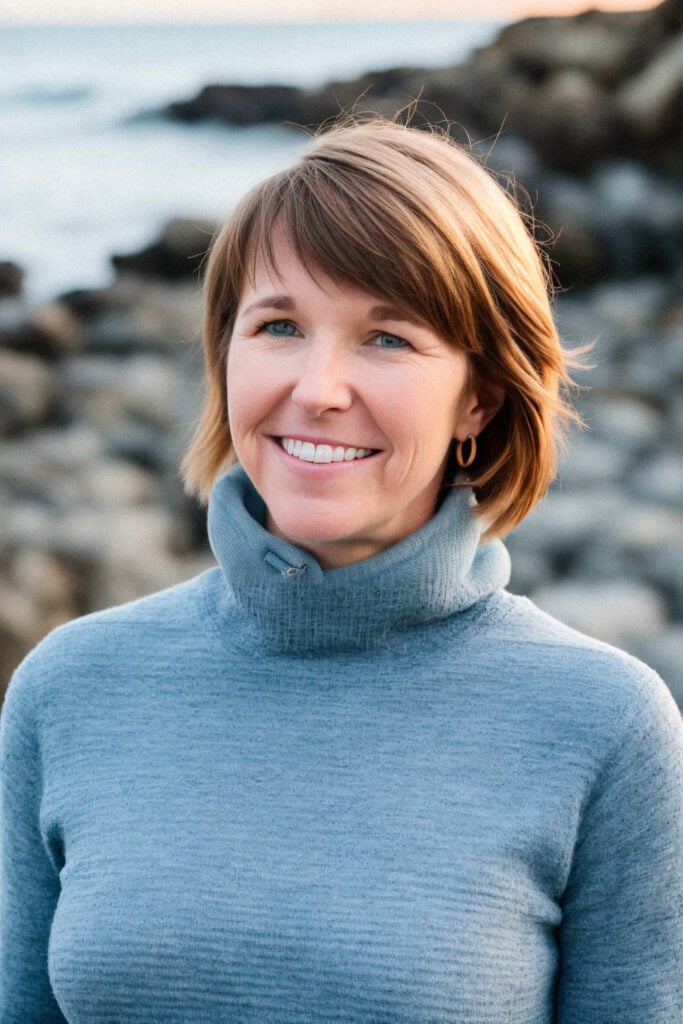 Something weird is happening to the neck of that sweater. And those body proportions are pretty off.
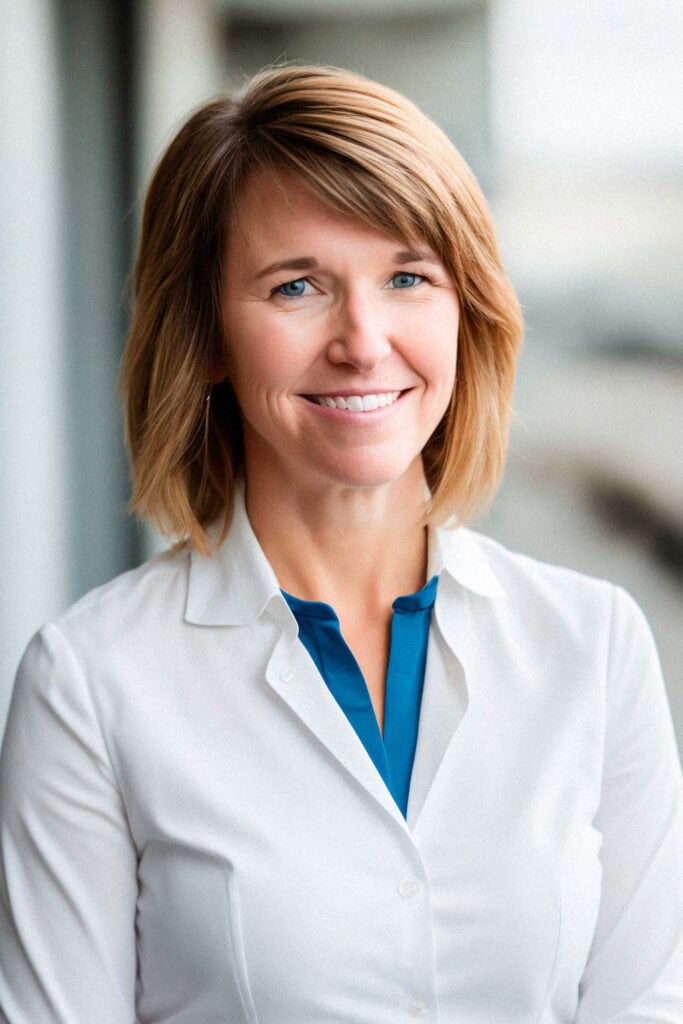 This is all just a bit off….the eyes, the teeth…
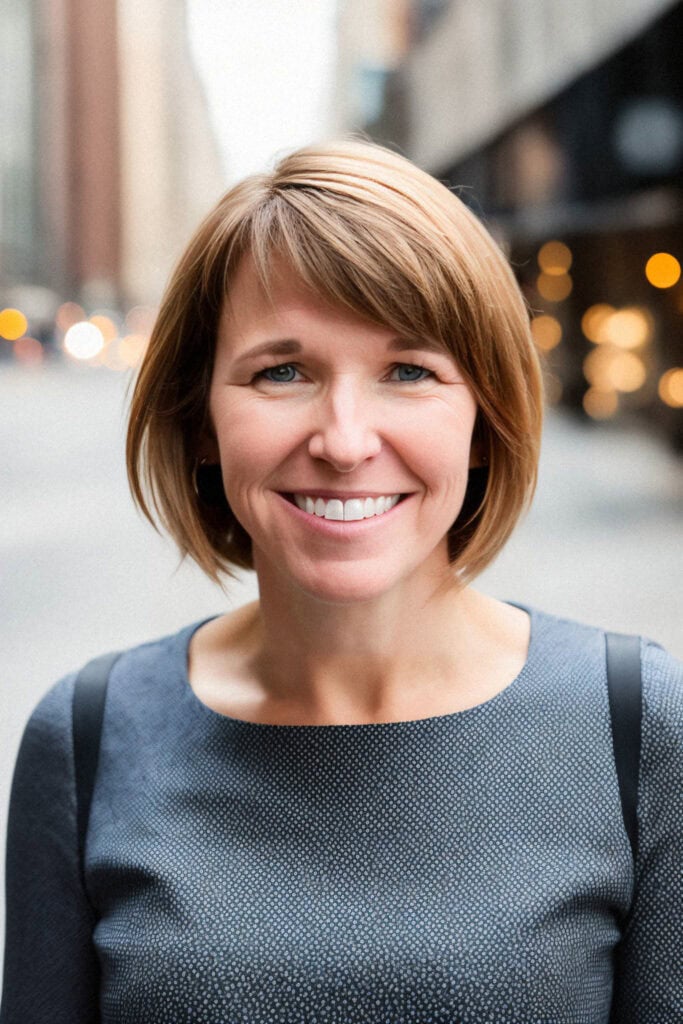 Those body proportions are off. And I look a bit stretched horizontally. My head should be taller with those face proportion
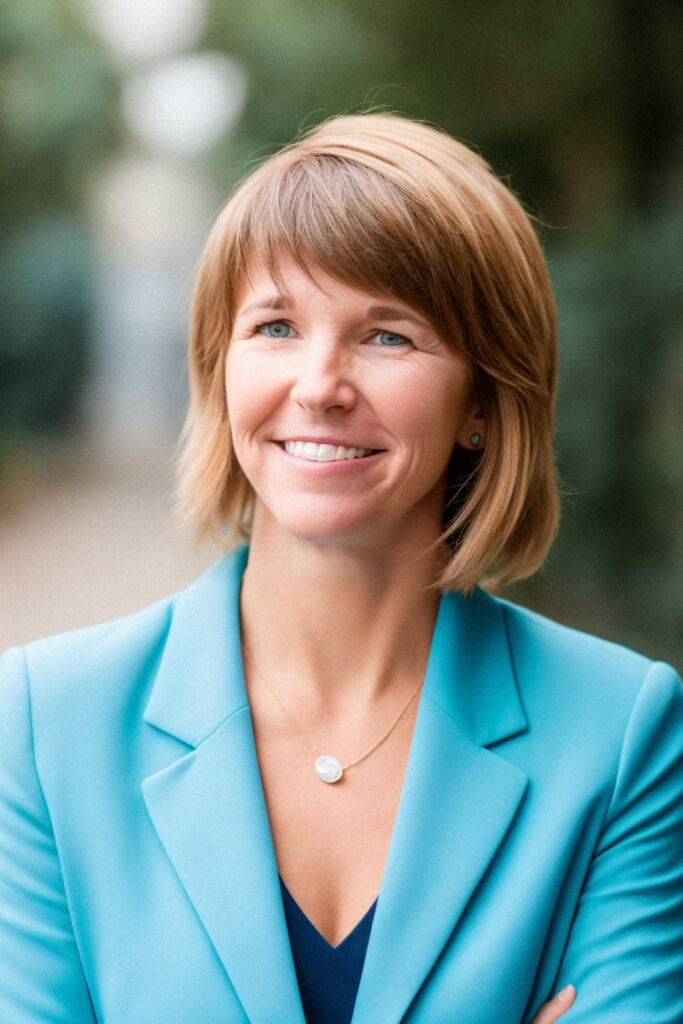 That is not my smile.
Why this will cost you more than it saves
Here’s the thing about a headshot that doesn’t look like you: your potential client will feel it before they can name it.
You know that uncomfortable moment when you meet someone in person and they look nothing like their photo? That low-grade unease, that quiet “wait, something’s off”? That’s what AI headshots do to your first impression — except the person experiencing it is someone who hasn’t hired you yet and has no obligation to push through the discomfort.
Some people will spot the AI immediately and move on. Others won’t be able to articulate why, but the impression sticks: cheap, careless, maybe not trustworthy. In a market where you’re competing against a lot of talented people working for themselves, that’s not a small thing. That’s lost revenue.
The copyright issue nobody talks about
This part matters, and most people skip it entirely.
When you use AI-generated images, you don’t own them in the traditional sense — and in many cases, you don’t hold a usage license at all. That means you have little to no legal recourse if those images are used elsewhere without your knowledge or consent.
But there’s a second layer to this that I think is worth sitting with: the source material AI learns from isn’t always ethically obtained. Artists and photographers whose work has been scraped to train these models often haven’t consented, haven’t been credited, and haven’t been compensated. When you use AI-generated imagery, you’re downstream from that process — even if you didn’t choose it consciously.
I’m not here to tell you what to do with that information. But I think you deserve to have it.
The alternative
If you want a professional portrait (aka headshot) that actually looks like you, builds trust before anyone says a word, and holds up legally — let’s do it the old-fashioned way. Camera, light, a little prep, and a real conversation about what you want people to feel when they see you.
Want to go deeper? There’s a whole other layer to this conversation — who actually owns the photos, where the AI learned to make them, and why the machine is designed to produce average. Read it here.