
The Wrench Didn’t Take the Photo: The Cost Behind the Camera
Let’s talk about something that lives rent-free in the head of almost every professional photographer: the moment someone finds out what you charge and their eyebrows do the thing.
You know the thing.
It’s the same energy as, “Wow, that’s a lot for just pushing a button.”
And look — I get it. Cameras are everywhere. Your phone probably takes a genuinely decent selfie. Technology has made image-making accessible in a way that feels magical and honestly, kind of beautiful. (I even teach people how to make better photos with their phones — because I believe everyone has an inner artist.)
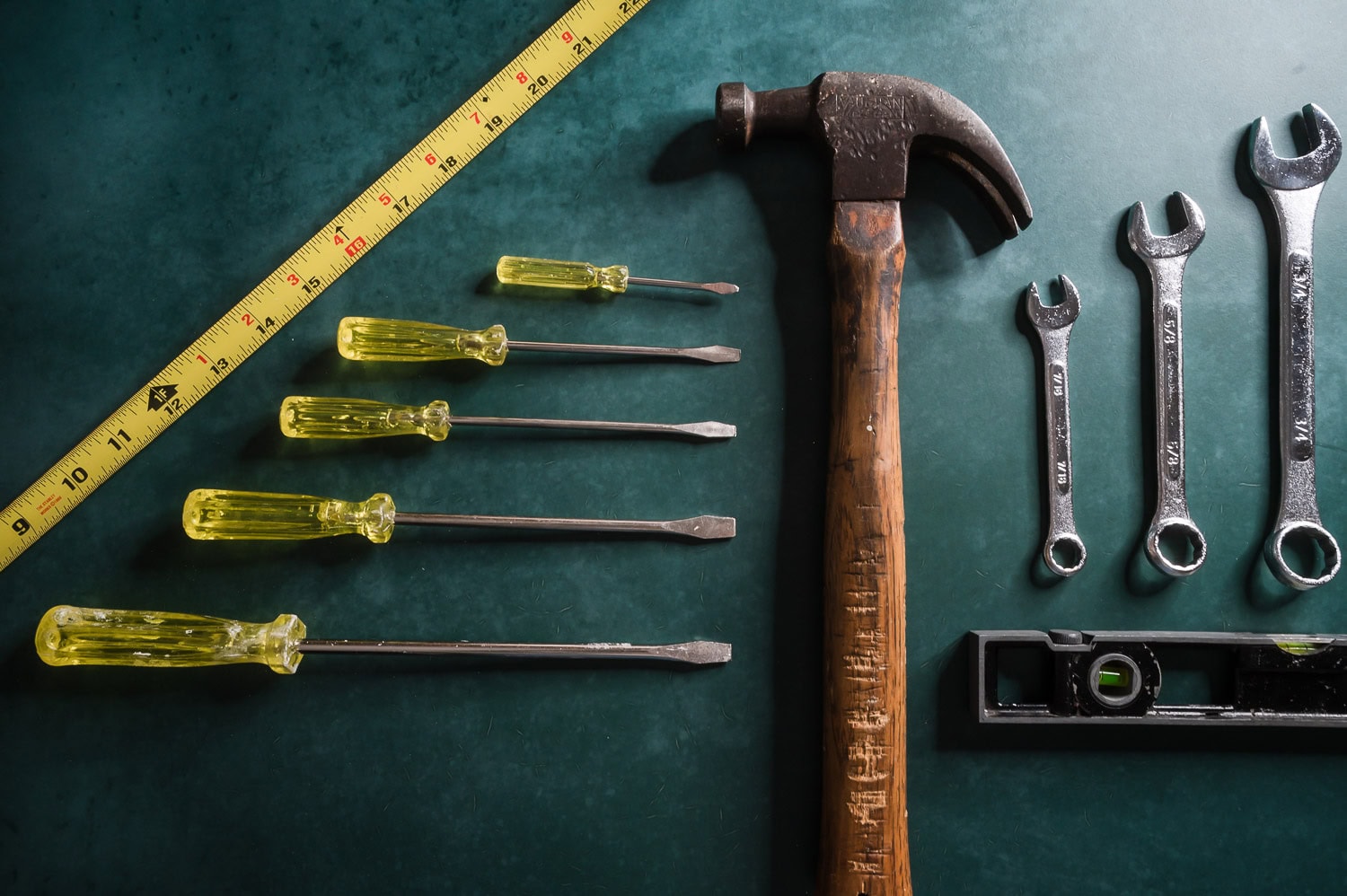
But here’s where the comparison breaks down: the tool isn’t the skill. A surgeon uses a scalpel. The scalpel didn’t spend years in medical school. Nobody hands a plumber $500 after unclogging their kitchen sink and says, “must be a really good wrench.” Nobody asks their dentist to work for free in exchange for the “exposure” of being mentioned at a dinner party. Nobody expects a lawyer to draft contracts on spec because hey, everyone owns a laptop.
And yet, most photographers have heard some version of these.
I want to be clear about something before we go further: I am not immune to sticker shock. I thrift. I comparison shop. I feel the same creeping anxiety at the grocery store that everyone else does right now. This isn’t a lecture from someone who’s never had to think about money. This is one small business owner, speaking for an entire industry of them, who wants you to understand what you’re actually looking at when you see a photography price tag.
Here’s what actually happens before my camera even comes out of the bag.
There’s a questionnaire. A planning call. Research into who you are, what your brand says, what it needs to say, and how to close that gap visually. I’m thinking about light sources, locations, your comfort level, what you told me makes you feel most like yourself — and also what you didn’t say, but I caught anyway.
I’ve thought about your session in the shower. While driving. I’ve probably even dreamt about it. (My dreams are quite vivid.)
Then the session itself — which, yes, involves a camera — but also involves me being part art director, part hype person, part therapist, part problem-solver when the light shifts or the space isn’t cooperating or you’ve just told me you hate every photo ever taken of you. That last one is maybe the most common. And it’s also maybe where the real work happens.
After we wrap, I go through every single frame. I cull. I edit. I work with a second editor to find the best of the best — because for me, a second set of human eyes on creative work is part of a professional process. Then, I deliver a gallery that’s actually useful to you, not just a digital pile of files.
(Curious about when professional images are worth the investment vs. when DIY makes more sense? I break that down honestly here.)
Now let’s talk overhead.
Professional cameras. Multiple lenses. Lighting equipment. A computer that can actually handle editing. Software subscriptions — and just so we’re clear, those subscriptions alone can add up to at least $1,200–$2,400 a year in fixed overhead before a single frame is taken. Insurance — because gear breaks and accidents happen. A website. Merchant processing fees on every transaction. Continued education, because standing still in a creative field is the same as moving backward.
And then there’s the invisible stuff: the bookkeeping, the client communications, the contracts, the marketing, the community-building — because I believe in supporting the ecosystem of small and local businesses I’m part of, not just mining it for clients. I donate time and resources to nonprofits. I show up for other creatives.
This is a legal business. With taxes and quarterly estimates and all the delightful paperwork that entails.
The camera is the last 5% of this equation.
(Want a behind-the-scenes look at what my business brand photography delivers for a real client? This case study gets into it.)
Here’s what I’d like more people to understand.
When you hire a professional photographer — and I mean a photographer who has invested in their craft, their gear, their process, and their ability to actually make you look like yourself instead of a reluctant participant — you’re not paying just for the photos.
You’re paying for the decades of practice that make it look effortless. You’re paying for the planning that happens before hello. You’re paying for the human being who can tell when you’re about to give your best expression versus when you’re performing one. You’re paying for the business infrastructure that means you’ll actually get your gallery, your contract will hold up, and someone will answer the phone.
And here’s my honest confession: I should probably be charging more.
Every time I have to call a plumber, I’m reminded of this. That person charges what the work is worth. The expertise, the time, the overhead, the years of learning which problem is a $300 fix and which one is a “turn off the water main” situation.
We don’t question it. We just pay the invoice.
The photographers who have lost your trust? The ones who disappeared with your deposit, or delivered a blurry gallery of 400 mediocre images? That’s not the industry. That’s what happens when the race to the bottom wins — when clients train the market to devalue craft by chasing the cheapest option, and some photographers try to survive by cutting every corner that matters.
The ones you keep coming back to? The ones who know your name, remember what you said about hating your smile in photos, and somehow get a shot that makes you text them “I ACTUALLY LIKE THIS ONE” in all caps?
That’s the investment. And here’s how to find the right one.
I’m not writing this to talk you into anything. I’m writing it because photographers — and artists of all kinds — have been quietly absorbing the cultural message that their work is worth less than other skilled labor. And most of us are too busy loving what we do to push back loudly enough. Consider this my contribution to that conversation. On behalf of all of us.
Ready to invest in images that tell your weird, imperfect, and beautiful story?